This form of eating called Tapas can be traced back many moons to when bar owners used salty meat strips to cover drinks to keep the flies from swimming. The salty meats promoted thirst amongst the patrons and drink sales thrived. Soon the drink covers became other salty creative snacks and a bar culture of food was born. Spain gets most of the credit for this type of nourishment as many of the ingredients used in creating these food gems are found abundantly in their region.
This salty sales theory is why in the 70’s and early 80’s many bar owners in the US offered free peanuts to bar patrons. Peanuts were cheap and salty and the President (Jimmy Carter) was a peanut farmer. Jimmy’s brother Billy was a famous beer drinker. See how these things go together!? The cool thing was back then that many places just let you throw the empty peanut shells on the floor like at a hockey game.
The Dude of Food was really impressed with the tapas in Donostia/San Sabastian. While visiting this beautiful Basque city many great items were discovered. I stumbled upon a place named Bar Desy that invited me to try tons of great foods including an extensive tapas menu. I went back to Bar Desy a bunch, sometimes 3 times a day, for the next week. The staff was really great and I even met the owners father.
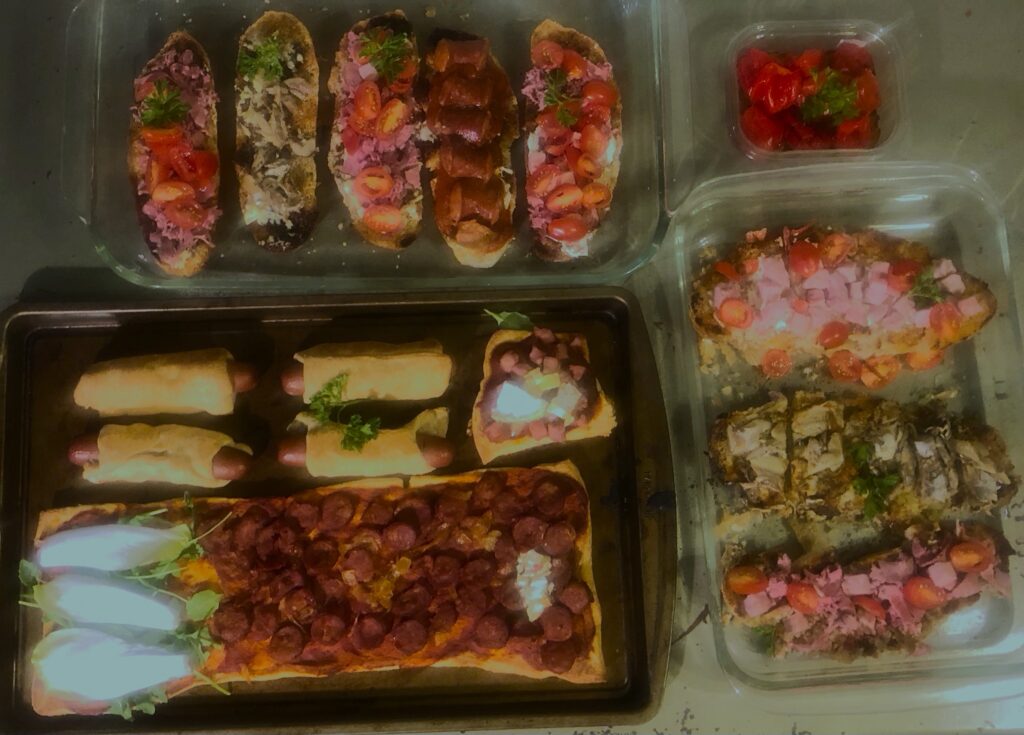
The top photo is one I took after I created a few tapas for my Brazilian girlfriend to enjoy while listening to some Samba and sipping on wine. We would look deep into each others eyes and share moments that made the world outside go quiet. Love was in the air. I digress.
Anyways as stated, the Dude of Food created the above pictured tapas. On the various breads are oil, cheese, meats, tomato sauce, veggies, sardines, salt and herbs. Tapas are fun to make, great to share and super enjoyable to eat.
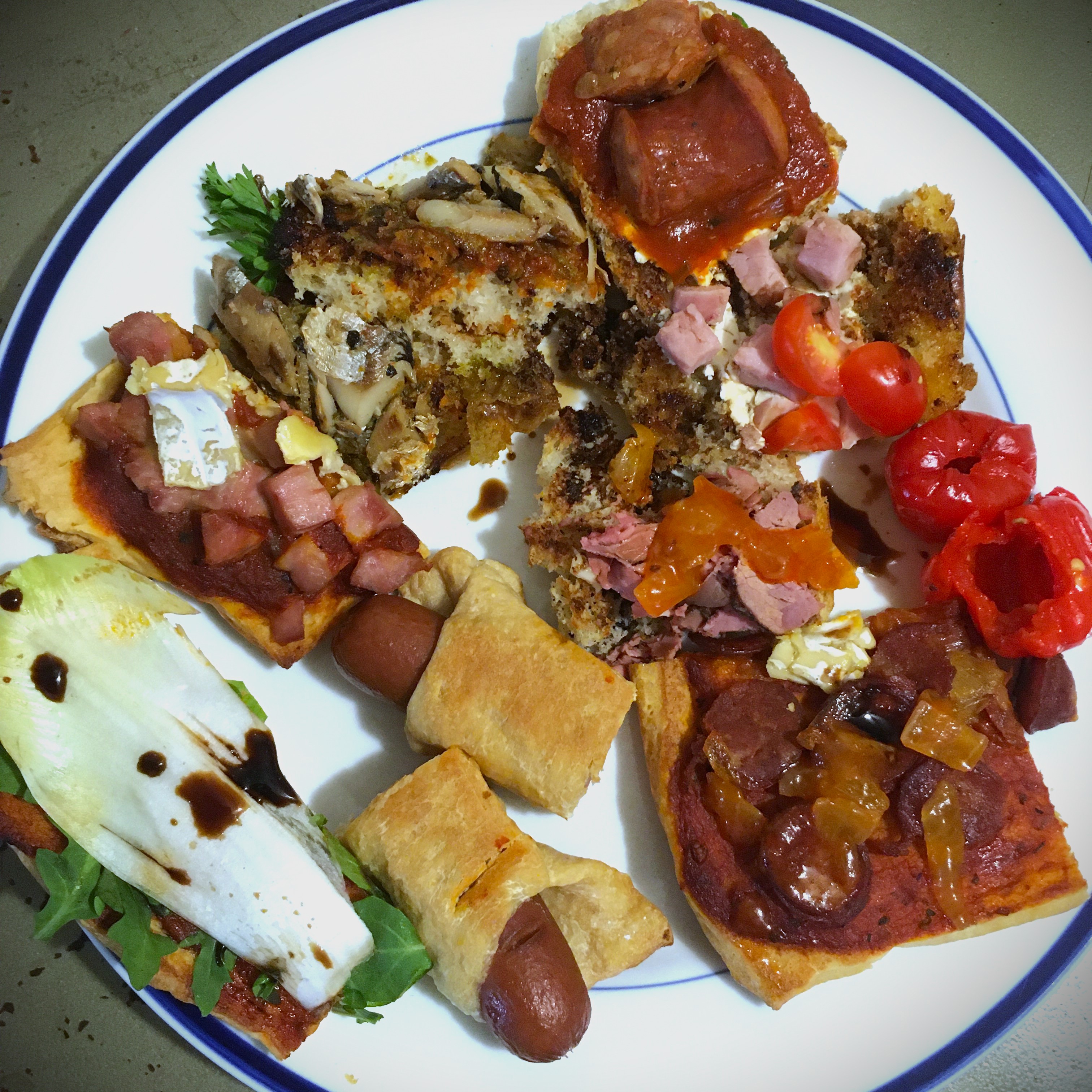
Below was my first pass by the home made tapas table.
Don’t be afraid to try this style of eating. Combine some of your favorite flavors and enjoy some tapas soon.
Salt is natural and is found on earth. Salt tastes salty. Salt is used to preserve meats and stuff.
Beyond these basic statements most folks are at a loss to expand on the paths that salt and life have shared together over time. Science class was something many kids never took that seriously and a subject many educators simply skim over.
Chemically sodium chloride or salt is composed of 40% sodium and 60% chloride.
2 NaCl + 2H2O —-> Cl2 + H2 + 2NaOH
Salt is mentioned in the Bible multiple times. Lot’s wife was turned into a pillar of salt. The word salt is also used metaphorically in the Bible to signify permanence, loyalty, durability, fidelity, usefulness, value, purification and more.
Historically, salt mining can be dated back to 6000 BC in the Romania/Bulgaria section of ancient Europe where people in Solnitsata (modern day Provadia) used to boil water to extract salts. Interestingly, Solnitsata is thought to be the earliest known settlement in Europe. Roughly the same timeline dates back to China’s use of salt as well.
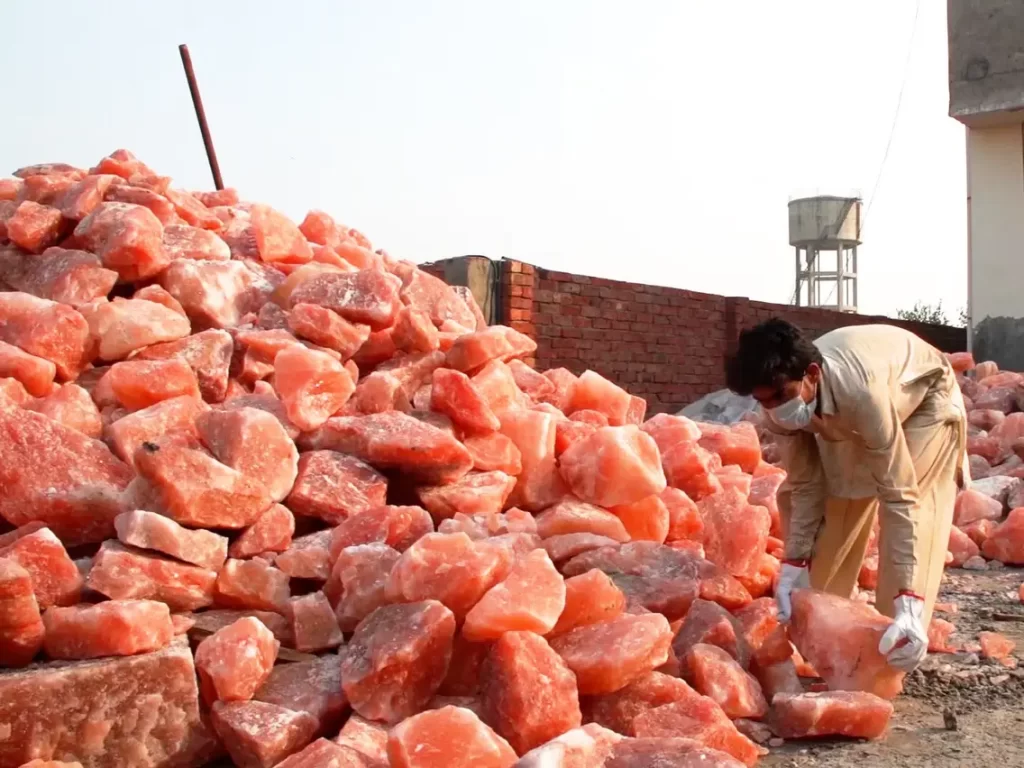
We also know that Philip II of Macedon had a son named Alexander who studied with Aristotle and who toured the entire Greek, African and Middle Eastern empires quite extensively. In May 326 BC Alexander the Great and King Porus of Paurava met on opposite banks of the Jhelum River in Pakistan where they clashed. Alexander’s men crossed the river and subdued the army of King Porus and their 200 war elephants. It was recorded that Alexander’s Macedonian army losses numbered 1,000 of 41,000 men as the Indian army of King Porus lost 12,000 and had another 9,000 men captured out of an army of 50,000. A truce was agreed upon and Alexander let Porus remain King after Porus paid tributes to Alexander. After the hard fought battle, fatigue set into the warriors. Alexander’s men and horses found themselves tired and hungry. The horses began to lick the rocks on the side of the river. The warriors noticed this behavior and examined the rocks to discover that there was a build up of pink Himalayan salt coating the rocks. The horses that did the licking and ingested this salt recovered faster and were in better shape the next day then the horses who didn’t lick the salt. This healing intrigued the Alexander’s warriors who came to discover that near this area were the salt mines of Khewra, which happen to be the second largest salt deposit in the world.
There is an ancient 242 km (150 miles) long road in Italy called Via Salaria which is named after the Latin word for salt. Via Salaria runs from Rome, heading east across the country to the Adriatic Sea, ending at a place formerly called Castrum Truentinum, now Martinsicuro. 51 km (32 miles) of this old salt road are now Italy’s state highway SS4. Medieval records document salt trading opportunities in Venice, Italy which ultimately helped contribute to the cities economic rise.
Salt mines in Salzburg, Austria can date mining of this mineral back to 800 BC. By 400 BC the locals were doing open pan salt making.
The 10 largest salt mines in the world are:
Sifto Mine in Ontario, Canada
Khewra Mine in Pakistan – pink salt
Prahova Mine in Romania
Atacama in Chile where they get lithium and boron from the salt
Wieliczka in Poland
Palibelo Village in Indonesia
Danakil in Ethiopia
Maras in Peru
Asse in Germany
Salt Catherdal in Colombia
The salt flat in Salar de Uyuni, Bolivia is the world’s largest (12 000 km²) and highest (3 700 m) salt flat. It is 25 times larger than the Bonneville Salt Flats in the US. This flat in Bolivia is what’s left of a prehistoric lake surrounded by mountains without any drainage outlets. The locals continue to harvest the salt in their traditional method, gathering the substance into small mounds to evaporate, additional drying over fire and enrichment with iodine.
It is said that the word salary is derived from the Latin word sal or salt. People often think of gold as something very valuable and interchangeable with money. Historically, salt was extremely valuable as well. Salt was such a valued commodity that it said to have been used to pay Roman soldiers in lieu of coins, hence the word salary.
The impact of salt on society is incredible. Salt has helped create and destroy empires. Salt has also played a prominent role in determining the rise of some of the world’s great cities. Various sites eventually sprung up along the salt roads exacting heavy duties and taxes for the salt passing through their territories. This practice eventually caused the formation of cities, like Munich in 1158, when the then Duke of Bavaria, Henry the Lion, decided that the bishops of Freising no longer needed their salt revenue and set up shop in the Munich area. A ‘gabelle’, the word for a hated French salt tax, was enacted in 1286 and maintained until 1790. Because of these salt taxes, common salt was of such a valuable commodity that it caused population shifts and attracted invaders. Gabelle tax was cited on the list of issues prompting the French Revolution. The salt mines of Poland led to a vast kingdom in the 16th century. Liverpool rose from just a small English port to become the prime exporting site for salt dug from the mines of Cheshire and became the source for much of the world’s salt supply in the 1800’s.
In 1777, the British Lord Howe was jubilant when he succeeded in capturing General George Washington’s salt supply.
Founding Fathers of America used the phrase ‘worth your salt’ meaning ‘worth your work value for the salary earned’. Expressions like ‘worth one’s while’ and ‘worth one’s weight in gold’ are much older than ‘worth one’s salt’, yet the idea and history for these phrases are similar.
“Any man worth his salt will stick up for what he believes right, but it takes a slightly better man to acknowledge instantly and without reservation that he is in error.” Andrew Jackson
“No man is worth his salt who is not ready at all times to risk his well-being, to risk his body, to risk his life, in a great cause.” Theodore Roosevelt
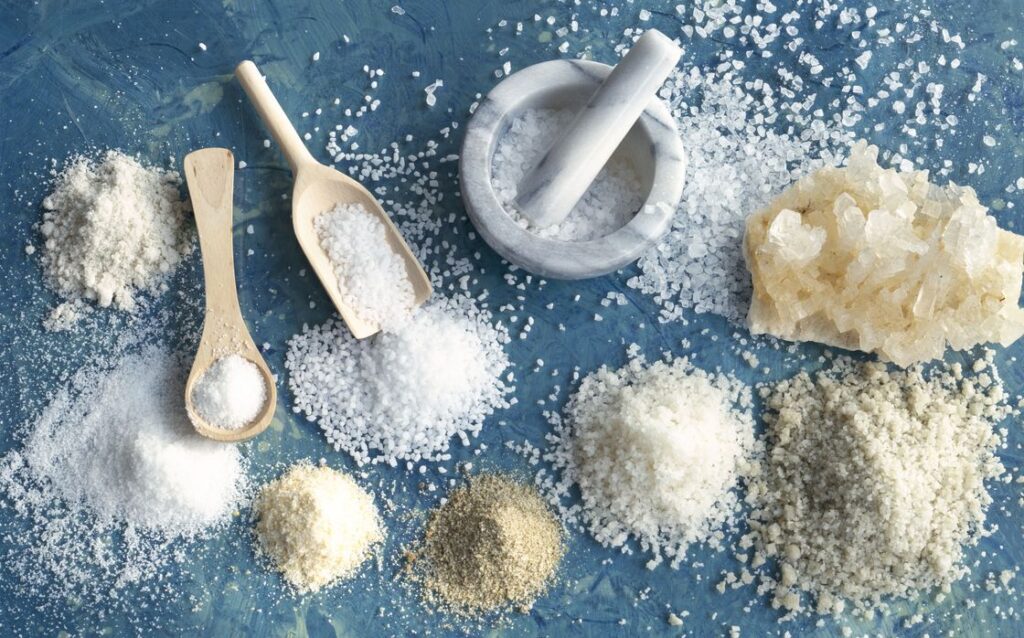
Modern Dietary Guidelines recommend adults limit sodium intake to less than 2,300 mg per day—that’s equal to about 1 teaspoon of table salt. Scientifically there are a bunch of types of salt: Table, Kosher, Himalayan pink, Sea salt, Celtic Grey, Fleur De Sal, Flake salt, Red Hawaiian, Black Hawaiian, Smoked, Himalayan Black and Pickling Salt. These salts are defined by colors, textures and the regions they are discovered in. The earliest recorded study published in China around 2700 BC mentions more than 40 types of salt and provides descriptions of two methods of salt extraction that are similar to the processes used today.
Some examples of salt types follow:
Table salt: Qualities: Classic standard. May contain anti-caking additives to avoid clumping in humidity Pros: Inexpensive. Contains iodine. Cons: Typically contains the highest sodium content of all salts.
Sea salt: Qualities: Coarser texture extracted from ocean water around the world Pros: Naturally contains iodine although some claim low levels. Cons: May contain impurities. (metals or plastics)
Kosher salt: Qualities: Coarse, flaky texture. Pros: Need Kosher? Cons: May not contain iodine.
Himalayan salt: Qualities: It’s pink color comes from iron oxide which is a compound found in rust. Pros: It’s pretty and Barbie would twerk for it. Cons: Not usually iodized.
Here are some fun and interesting facts about salt:
Only 6% of the salt that we use in the US is used as food. Salt is used for many other reasons. 17% of American salt is used for keeping ice off of the roads in winter for safer driving.
If you soak older, wrinkled apples in a mixture of salt and water, the wrinkles will go away.
Salt (sodium chloride) It is the only family of rocks regularly eaten by people.
Mixing salt in with the water of cut flowers in a vase will help the flowers live longer.
If you rub salt on your griddle, your pancakes will not stick.
Every cell of your body contains salt.
Adding a little salt to your boiling water when boiling eggs will help prevent the egg from cracking. Salt also stops the egg from coming out of the shell if it does crack.
You can test the freshness of eggs in a cup of salt water. Fresh eggs will sink and bad eggs will float.
Sprinkling salt in your pantry helps to keep ants away.
Your body needs 200 mg of salt per day to be healthy.
You can sprinkle salt between bricks or rocks where you don’t want grass to grow.
Ice water gets colder when salt is added.
Salt is usually the first thing to take the blame for a dish that doesn’t taste so great.
The dictionary describes a salty person as “an angry and ill tempered individual.” Salty describes a personality that is bitter, angry, irritated and/or hard to take.
Salt deposits have been reportedly discovered on Mars.
At the end of the day, salt is salt. There is no scientific evidence to suggest that any type of natural salt is healthier than any other type of natural salt. Salt substitutes are another story and should probably be avoided but that’s not what we’re currently talking about here. Keep in mind that, unless you eat fish regularly, iodine is somewhat elusive in most people’s diets. Choosing an iodized salt can be a healthy choice if used wisely.
1 six pack of your favorite beer or 1 bottle of a favorite wine
1 cup rice
6 chicken thighs
8 oz tub of diced baby Portabella mushrooms
1/4 onion
2 Tablespoons butter
1 Tablespoon minced garlic or 2 chopped garlic cloves
  Olive oil
2 cups chicken stock
1 cup heavy cream - optional
  chopped parsley - optional
1 cup peas - optional
  Salt and black pepper to preferred taste
  Herbs  (thyme, sage, tarragon, rosemary, paprika)
Preparation:
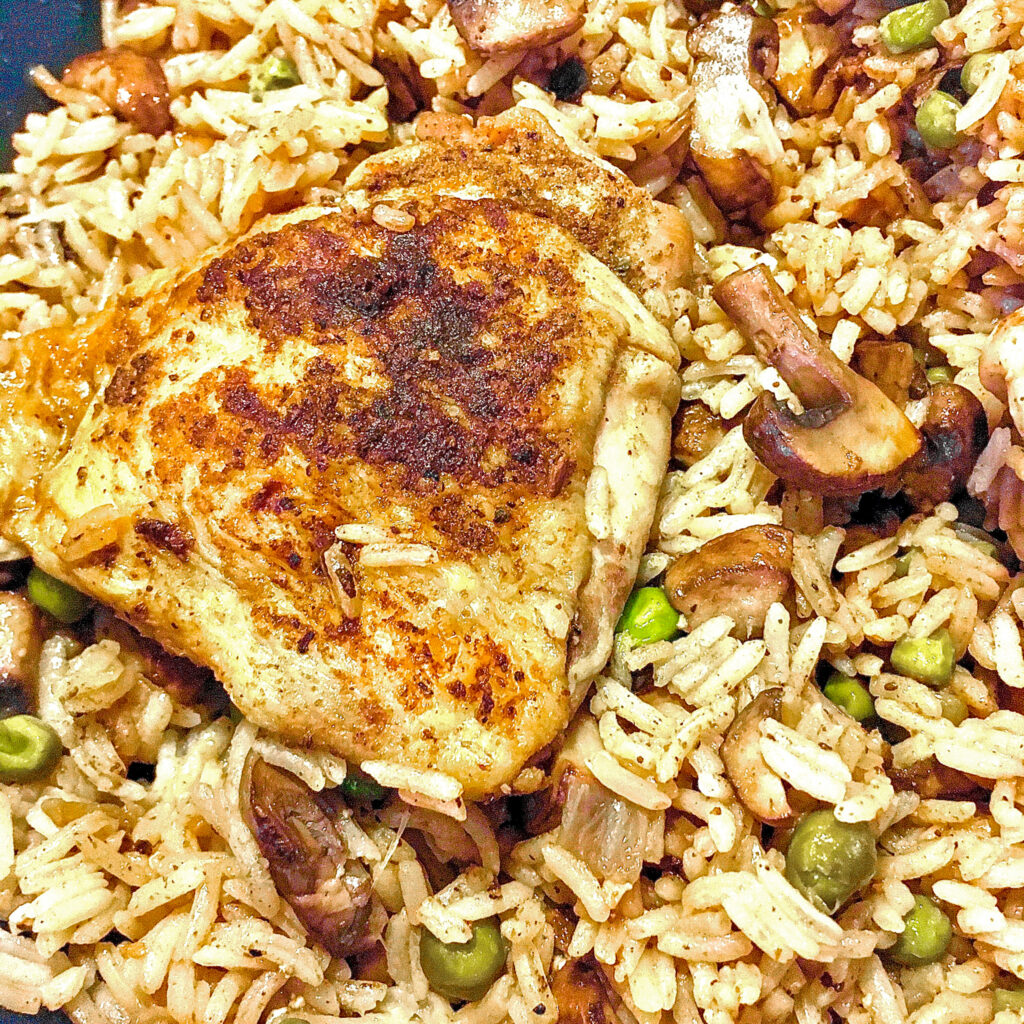
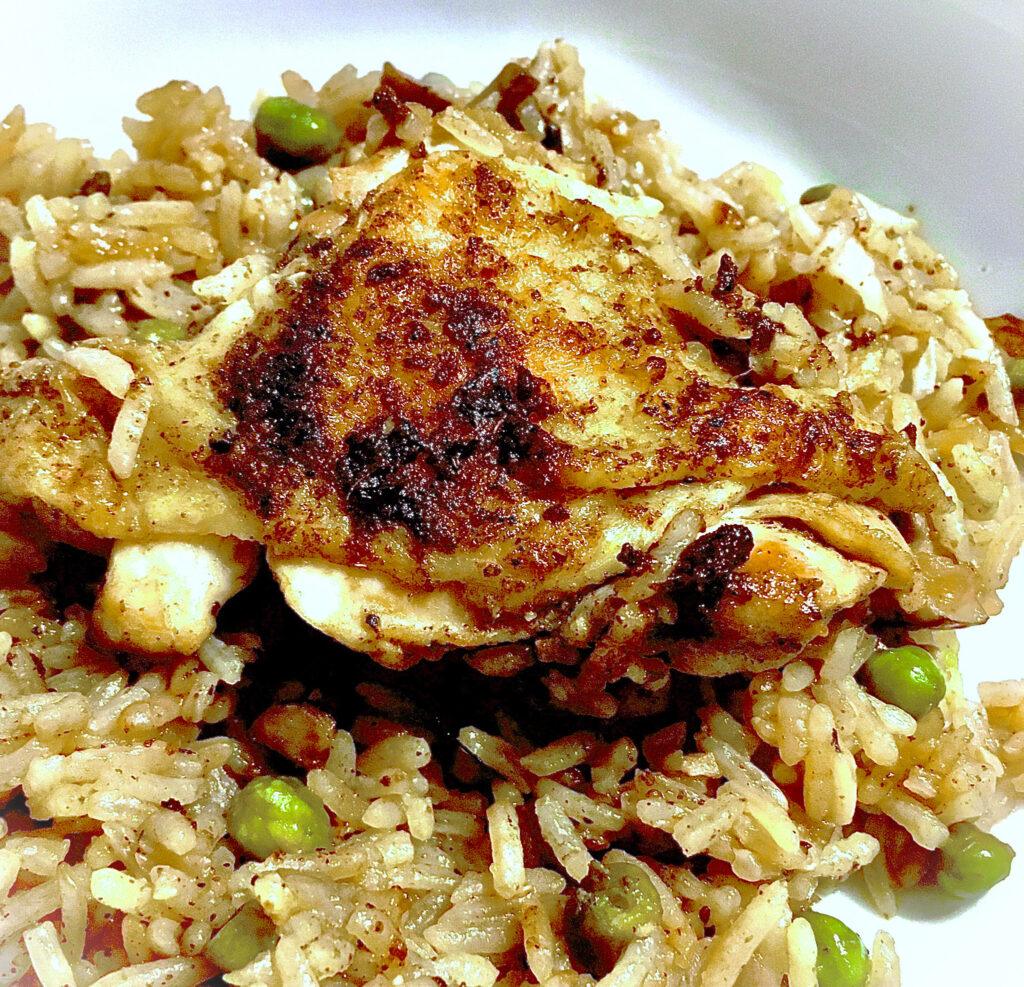
Pour your favorite beverage into a glass and collect your ingredients including pans and utensils. Remember to pick a pan large enough to hold everything at the end as we’re doing a 1 pot style.
Open the package of chicken and individually rinse each piece in cold water and pat dry with a paper towel.
Season your chicken with salt, black pepper, herb mix. Some folks put everything in a bag and shake the dried chicken in the bag. Dealers choice here but if your chicken isn’t dry it just makes a mess. I prefer the sprinkle on both sides method. Also don’t neglect your drink. Your beer might be getting warm.
Pour a little olive oil to barely cover surface of pan and heat on low-medium heat. When oil is warm, carefully place the chicken thighs bone down in the hot oil, cover and leave to fry for roughly 8 minutes. As the chicken heats more oils will be released. Flip and continue to fry on the skin side for about another 8 minutes. Both sides should be slightly crisped. I watch the heat process and if it looks too low or high I make adjustments. You want your be sure your chicken is cooked to at least 160′. I keep the heat on the low side and ride it as to not dry out the chicken. Keeping the pan covered traps the heat and cooks the chicken more thoroughly.
Remove seared chicken from oil, letting the grease drip back in pan, and set chicken aside for now. Do not refrigerate the chicken. Now is a good time to sip your drink or refill if needed. I always keep my beer close so I am easily reminded.
Keep the heat low and in the still hot and now empty oiled chicken pan add garlic, butter, parsley and onions and low simmer for 8 minutes or so. If adding peas add them now too. Still frozen is OK but I prefer if the peas have sat out on the counter for a bit and thawed. Once the peas have simmered for a couple minutes you can add the onions until they are nearly clear. Then toss in mushrooms.
When the veggie mix looks ready place already steamed rice in the pan and add chicken stock. Now would be when you would add the heavy cream if choosing to do so. The thing to do is de-glaze the pan as you stir in the added stock to the rice by giving it a gentle stir. Remember not to scrape metal spoons on non-stick pan bottoms when stirring. Use a flat wooden stirrer and don’t heavy hand the drag. I try not to use plastic utensils although I have a few good ones just in case. Let the whole thing simmer together for 5 minutes before adding the cooked chicken. Cover and simmer another 15 – 20 minutes or until it looks ready. Sprinkle some chopped parsley on top, cover and let sit for a couple more minutes while you top off your drinks.
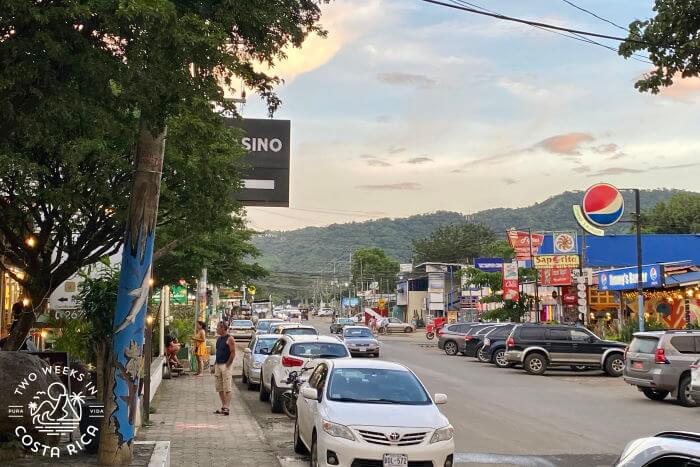
Once you arrive to Playas Del Coco and get situated you will end up back on main street for one reason or another. It is the center of everything you will need whether it’s the beach, food, information, transportation, bank, doctor or whatever. The photo above shows the main street looking east. You’ll have a couple blocks until you are at the end looking this direction. The other direction in the above photo will send you towards the beach and a few more blocks of interesting places like more shops, quick eats, sports bars, etc.
Housing was at a place found on Airbnb called ‘Maria and Marios’ and I was very happy to have stayed there. They couldn’t have been nicer people and treated me like family. The walk from their home to the main road would take me past 2 stores and a fruit stand. Whether needing a refreshing coconut water straight from a coconut soaking in ice water or a cold beer on the walk I had options.
There are many fun looking places to enjoy around town and unfortunately I didn’t get to experience all of the ones that appealed to me but the following spots are a couple of the cool places I discovered as I wandered around Playas del Coco.
In the morning I would ride my rented bicycle the few blocks to the beach and get a coffee at a cool place called Cafe Corazon. They are located close to the water (50 meters) and provide good coffee in a cool zen atmosphere. The guy behind the counter was always a welcoming host. https://www.instagram.com/cafe.corazon/?hl=en
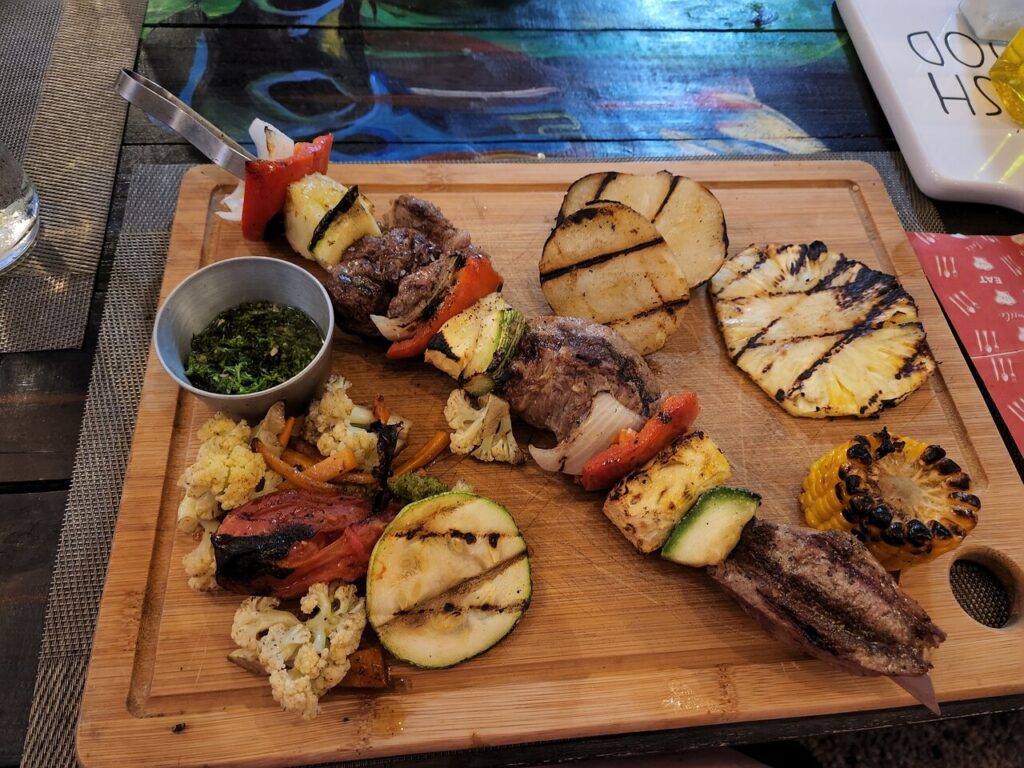
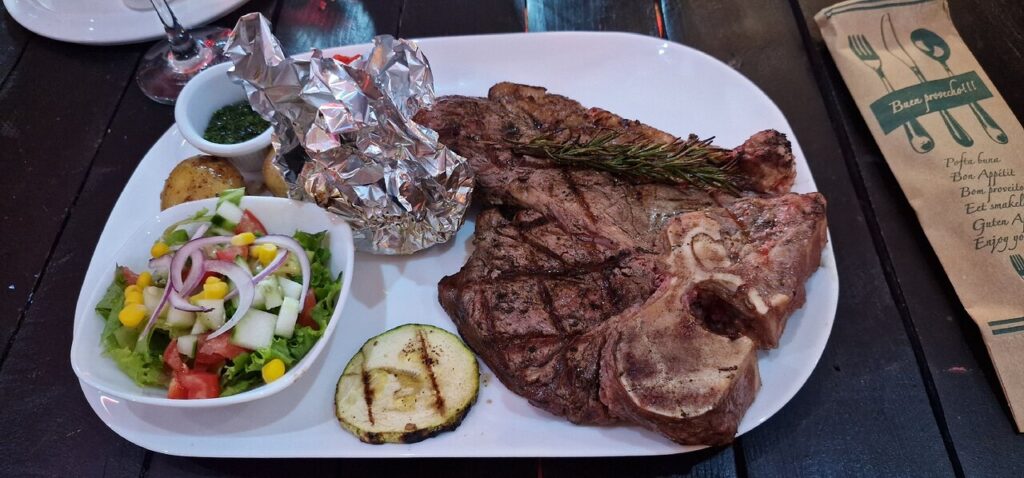
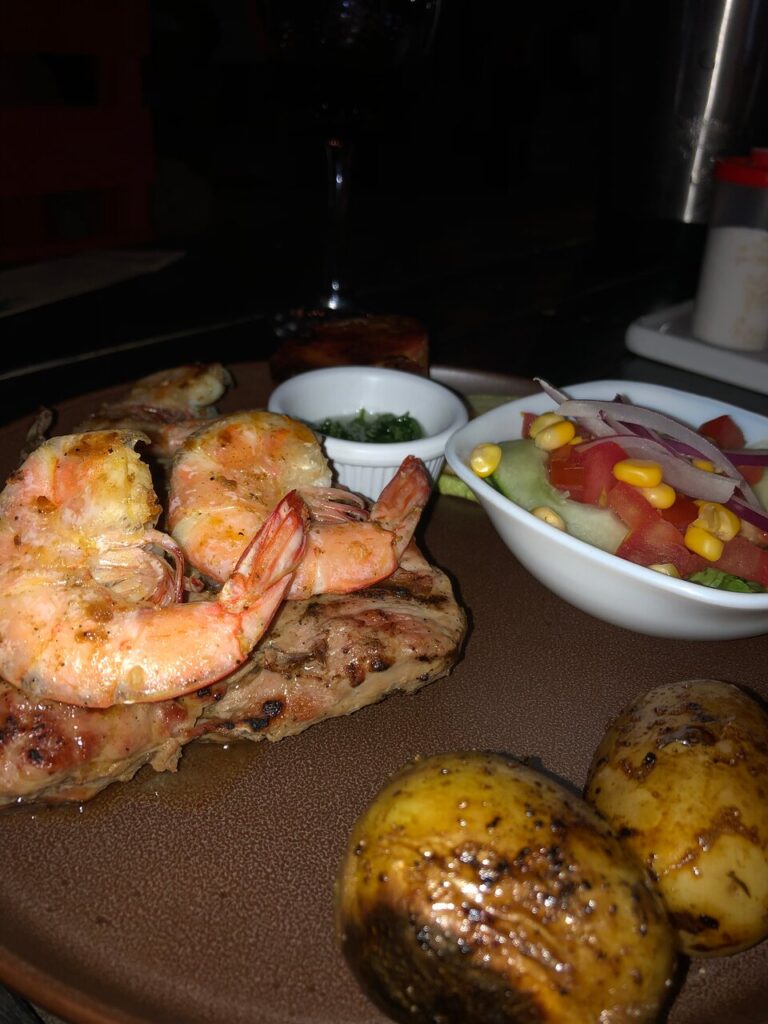
Sal y Fuego can be found off the main road up the street from the sports bar and is a terrific find. If you love grilled meats and fish presented by a local trained in Argentina then you’ll love this place. The staff is friendly. I gave them a Venice Brand sticker. It’s worth the quick walk up the slight hill. https://www.instagram.com/salyfuegocr/?hl=en
At the corner where the sports bar and Mexican restaurant meet (the street you’ll walk up to find Sal y Fuego) is another new restaurant called Nakapasi. They are really new and I couldn’t find their social media but the man behind the bar, Abraham, was super cool. I gave him a Venice Brand sticker too. We tried to get the NHL Stanley Cup finals on which didn’t work but they did offer cold beers and really good ceviche. This would also be a good place to bring a date for dinner.
The Dude of Food really enjoyed the time chilling out around Playas Del Coco and thanks all the nice folks that shared with me and made this Costa Rican experience extra special. Thank you all. Pura Vida.
If you ever have encountered the ‘stuff down the drain’ issue in your kitchen then maybe you can get a tip from this little kitchen quick fix tip video. The Dude of Food is here to help.
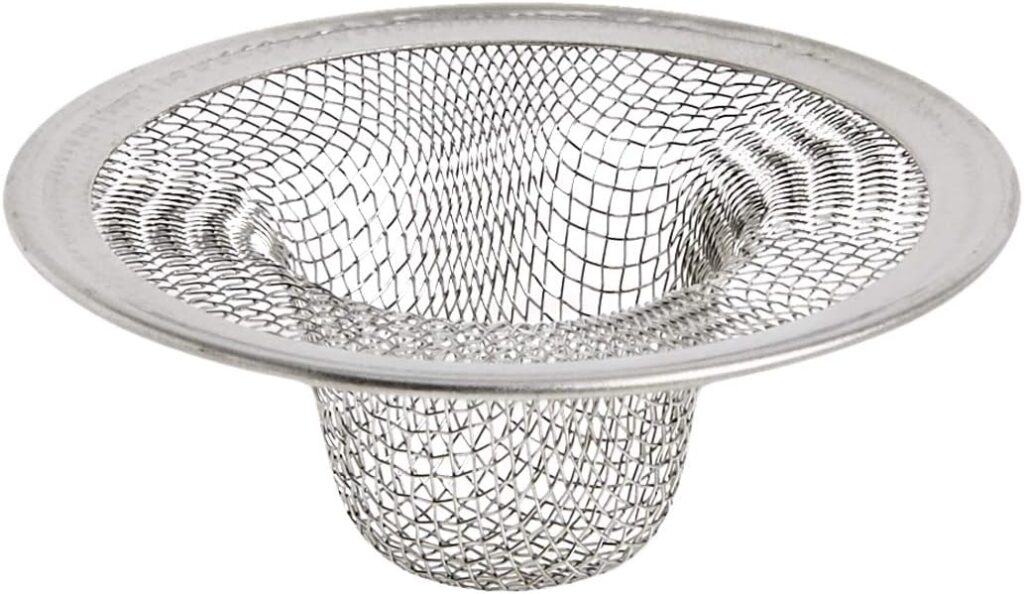
As far as preventative tips go, a good rule of thumb is to always have a catch screen in place at the bottom of your kitchen sink drain. Also never toss coffee grounds or eggshells down the garbage disposal. Those items are for the trash or composting.
Watch the following video for drain cleaning tips.
It is worth it to be aware of what you put down your sink drains and a simple catch screen helps a lot. They help in the shower too so hair doesn’t build up and clog the drain
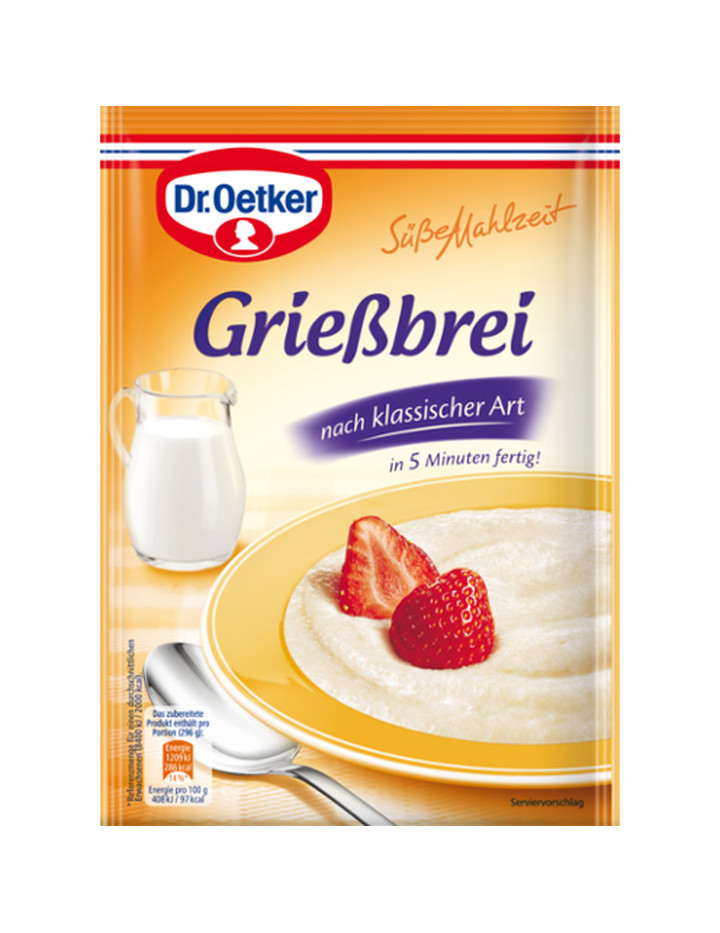
One of the memories I carry from when I was a little kid is of my grandmother preparing tapioca pudding from scratch. It was the best. I always loved it warm and freshly made. Grandma always made us stay out of the pool for 30 minutes after eating lunch. Anyways, the memory I have of those tapioca puddings is captured in a German dish known as Griesbrei from Dr. Oetker. I discovered this dish while curiously shopping in a Munich market. The flavor of Griesbrei reminds me of those early family days. My Bavarian friends always laugh at me and say that I like ‘baby food’ but it is what it is. If it tastes good maybe it’s worth overeating sometimes. Perhaps I will try to mix it with some grits, a couple eggs and a side of peppered bacon next to a buttered pancake splashed with maple syrup.
Dr. Oetker makes the package above and the one I originally brought home and fell in love with but you can prepare your own with the following recipe. I have some semolina left over from pasta making and will try this recipe soon.
Griesbrei –
Ingredients 3 ⅓ cups milk ½ cup soft wheat semolina 2 tbsp. sugar 1 tsp. vanilla extract 1 pinch of salt 1 large egg 1 tbsp. butter
Instructions Add milk and sugar to a sauce pan, mix well and bring to a light simmer. Gradually add the semolina while stirring. Bring to a light simmer, cover with a lid, and remove from heat. Allow to sit for about 5 min. In the meantime, separate the egg. Beat the egg white with a pinch of salt until stiff peaks form. Add the egg yolk to the semolina pudding and mix well until fully incorporated. Stir in butter and vanilla extract. Fold in egg white.
You can purchase your Dr. Oetker’s Griesbrei on Amazon by clicking here.
Recently I spent a few days in Playas Del Coco in northern Costa Rica before entering Nicaragua. I found a room named ‘Casa Maria and Mario’ and was very happy I stayed there. Maria couldn’t have been a nicer lady and made sure I was comfortable there. Another discovery was an excellent restaurant in town called Sal & Fuego.
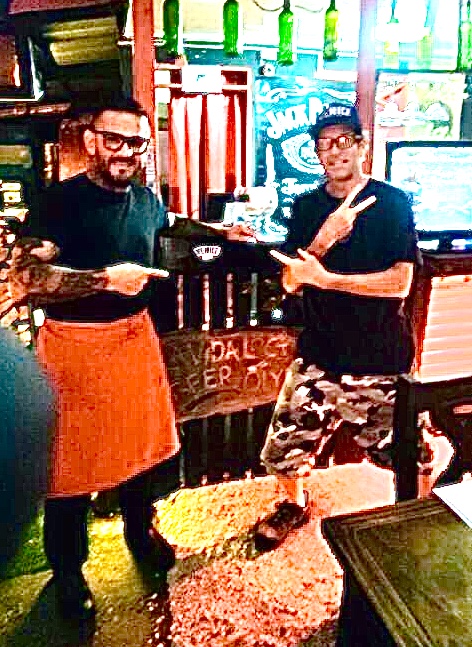
The town offers a number places to eat on the main street but what I discovered by walking up one of the side streets was a real find. Most folks are on the main strip so it gets quieter when you leave the main drag which was the case of this well put together restaurant I discovered. The sign in front read Sal & Fuego and the master chef, Arturo, and his helper, Sebastian, were warmly greeting guests, serving drinks and proudly displaying their tomahawk steaks.
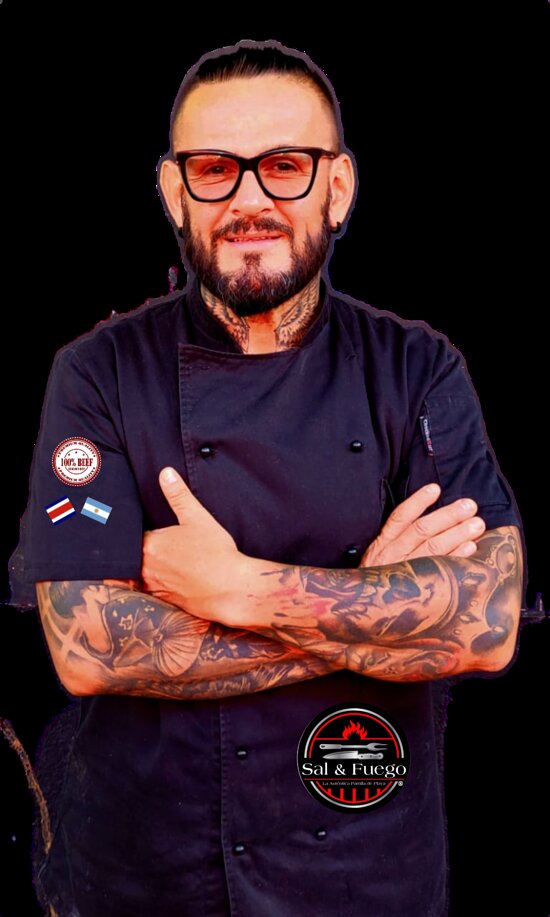
Arturo is a native that learned BBQ techniques in a place known for great beef and meat cooking skills, Argentina, where he became an expert in South American meat cuts. He is now a youthful 50 years old, an awesome chef, restaurant owner and gracious host of a fine restaurant located a short walk up the hill. Both Arturo and Sebastian are attentive and will make you feel right at home ensuring that you have everything you need.
If you find yourself in Playas Del Coco and are looking for an excellent dinner with a group of friends then you will need to wander up one of the side streets in Playas del Coco to discover the best steakhouse around, Sal & Fuego.
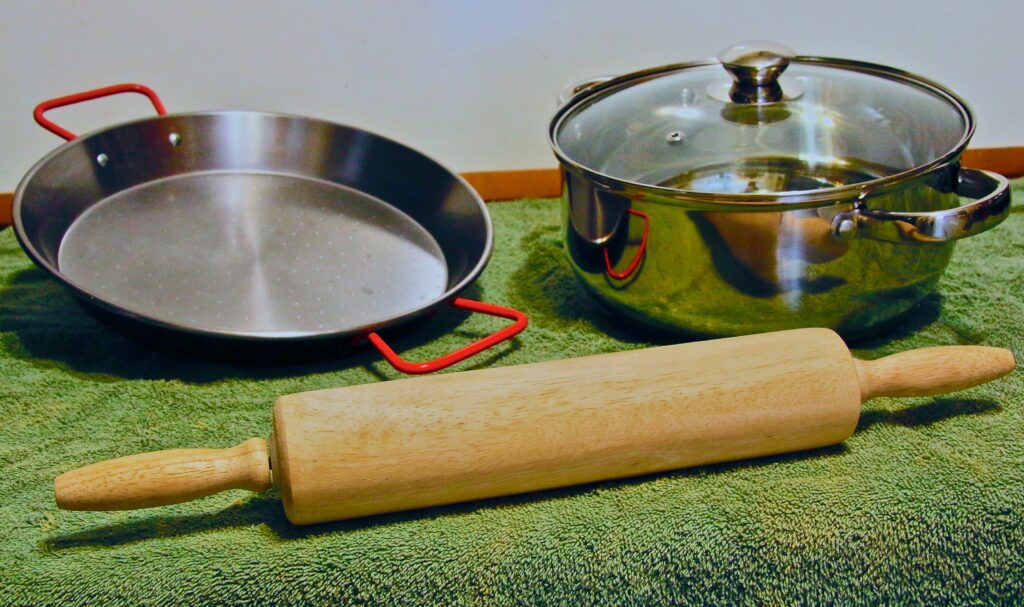
This 2022 holiday season I introduced a couple of new items to my kitchen tool box which is important as we grow as chefs.
The paella pan is made by Garcima from Valencia, Spain and is a traditional polished steel paella pan that I plan to use to prepare risotto. The pan seems well made and carries a 2 year guarantee. I look forward to cooking with it.
The Dutch Oven is called Pure Intentions ‘Ecolution’ by Epoca Int’l in Florida. This pan is also stainless steel with a tempered glass top. This item has a Limited Lifetime Warranty and will be good for boiling stuff.
The wooden roller is an Everyday Living item distributed by Inter-American Products and was made in Taiwan. It has held up pretty well so far for helping to thin out homemade pasta for my noodle cutting machine. This item has a quality guarantee or receive a full refund. How can you go wrong?
Whatever your budget or skill level remember that joy comes from sharing and cooking is to be shared, so bring joy to the world and keep cooking. Happy holidays.
The Dude of Food grew up as an only child with a working mom who disliked cooking. Her 3 motto’s in life were:
‘where there’s smoke, there’s dinner’
‘you can never be too rich or too thin’
‘go play on the freeway’
The refrigerator to me was something to go look in at someone else’s house. That is how I learned about food, by looking in other peoples fridges and lunch boxes to see what they ate like. It took me years to get over just casually opening and looking inside of someones fridge. Sometimes I still do.
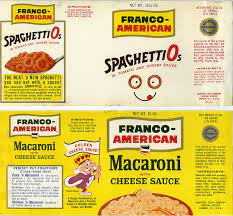
On special Saturday mornings as a kid I used to make a can of Spaghettios or Franco American Macaroni with cheese sauce as a treat.
One of the places I would wander over to visit was the house of the Italian family down the street. They had 3 older girls and a boy my age and they always had food on the stove. Their kitchen was the best. Homemade pastas, sauces, pizzas, rapini and as we got older their mother made everything with red onions so our lungs would stay healthier. This Italian mother even made liver taste good. She used thin slices of liver and loads of onions.
When we would go back east to visit their Italian relatives I would be blown away that every Italian kitchen was the same, warm and full of food. We couldn’t go anywhere without eating a plate of food and sipping some homemade wine. By the third or fourth visit you’d be pretty full but the hosts would get offended if you didn’t eat their food and thought you liked the other family better so you had to eat, drink and be merry. It was great and nothing but love.
When I went to visit the youthful home of my Italian buddies father in Italy I was blown away at the genuine love, hospitality and meals shared with me.
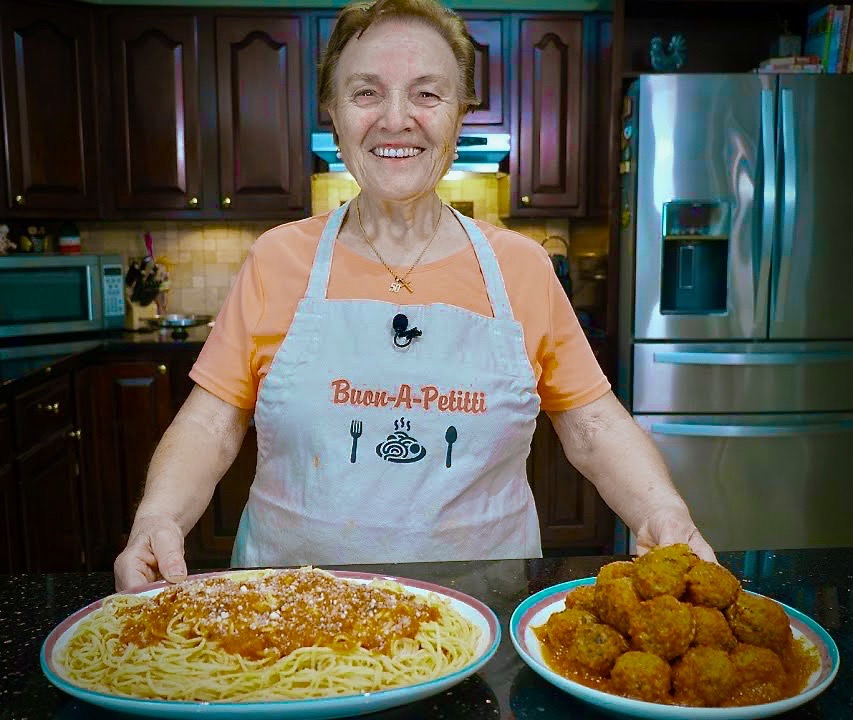
I am forever grateful and extremely thankful. This love of family and sharing food has never left me. Recently I began preparing homemade pasta noodles after lessons from my friends uncle’s wife, Aunt Mary, whom I’ve known since I was in 5th grade. I’m now 56 years old. In researching how to make a better noodle I was directed to YouTube and discovered the next best thing since beer was created. The name of this Youtube Angel is Grandma Gina Petitti.
Grandma Gina is precious and I instantly fell in love with her. She speaks just like everyone in my buddies family and reminds me of the best of my childhood. If you are still reading this then you must go to visit Gina https://www.youtube.com/c/BuonAPetitti/videos and see for yourself.
Grandma Gina Petitti
Watch and learn to make noodles, ravioli or any other quality Italian dish you might be interested in preparing. You will learn to cook properly and have your heart warmed at the same time. She’s awesome.
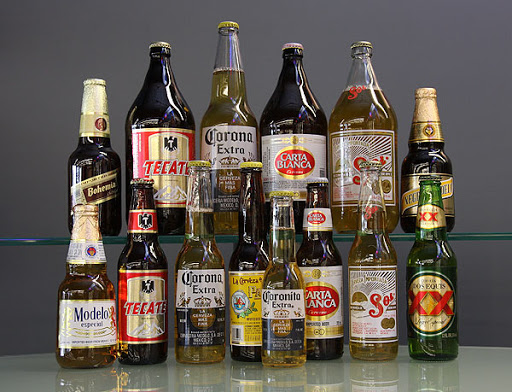
Above you see pictured a variety of a few of Mexico’s famous lager beers. Not pictured are Estrelle Jalisco, Corona Familiar, Montejo and Victoria.
It’s interesting because my German friends who visit the states choose Mexican lagers when they are here as they resemble Munich Helles beer a little bit.
Another similarity about Mexican lagers when compared to Munich Helles is the ABV content. Both share a roughly 5% count, German beer a touch over and Mexican beer a touch under. Following are the ABV levels of Mexico’s most popular lagers.
Bohemia Lt 5.3 %
Carte Blanca 4 %
Corona Extra 4.6 %
Corona Familiar 4.8%
Dos Equis Green 4.2 %
Estrelle Jalisco 4.5 %
Modelo Especial 4.5 %
Modelo Negro 5.4 %
Montejo 4.5 %
Pacifico 4.5 %
Sol 4.5 %
Tecate 3.9 %
Victoria 4 %
Now you see why folks can drink so many beers while trying to hit the pinata.
In Munich three major breweries are Augustiner, Hacker – Schorr and Lowenbrau. There are many more.
Augustiner Helles 5.2 %
Hacker-Schorr 5.5 %
Lowenbrau 5.2 %
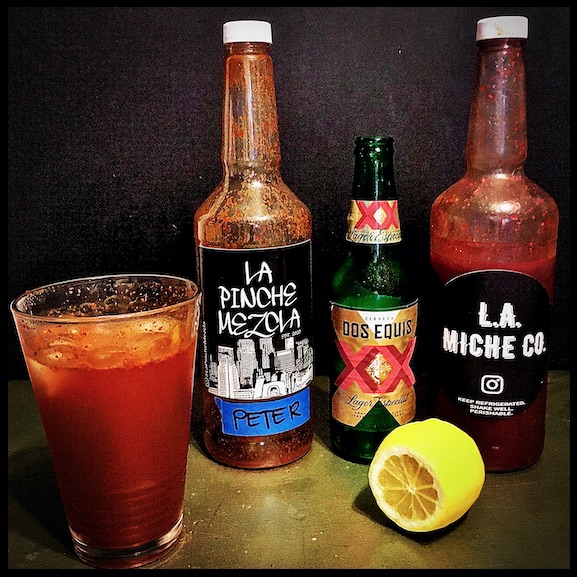
Germans don’t put anything in their beers and have a law dating back to 1516 called Reinheitsgebot. In Mexico they make an awesome drink called a Michelada which is like a bloody Mary except with beer instead of vodka. Now the Dude of Food enjoys making micheladas.
2 great michelada mixes. Both on Instagram
Next Sunday try making some of these delicious day starters while planning what to BBQ.
If you love fish then you will certainly love adding these mixes into your favorite ceviches. I add the spicier, LA Pinche Mezcla, to mine and it is the best! Guaranteed satisfaction. It’ll make you wanna say Odele!