If your mom told you to eat your veggies she was right. If you threw them on the floor and went to bed hungry, you were wrong. Vegetables are good for your. Eat them.
Vegetables are full of vitamins and minerals that provide anti-oxidants, inflammation reducers, blood sugar control and many other healthful benefits from eating.
Cruciferous veggies are particularly good in their benefits to help keep cancer at bay. They include Kale, Broccoli, Cauliflower, Brussel Sprouts and Cabbage.
They can be stir fried, air fried, sauteed, steamed, grilled, made into tempura, eaten raw or thrown in stews and salads. Remember kids, champions and winners eat vegetables. It’s good for your health. Don’t be afraid to eat them.
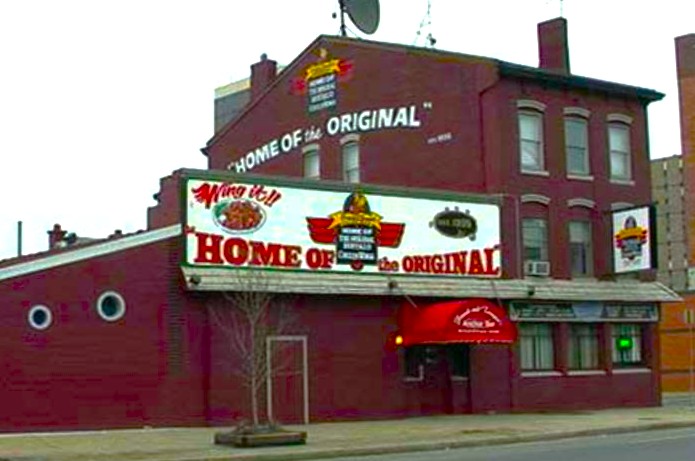
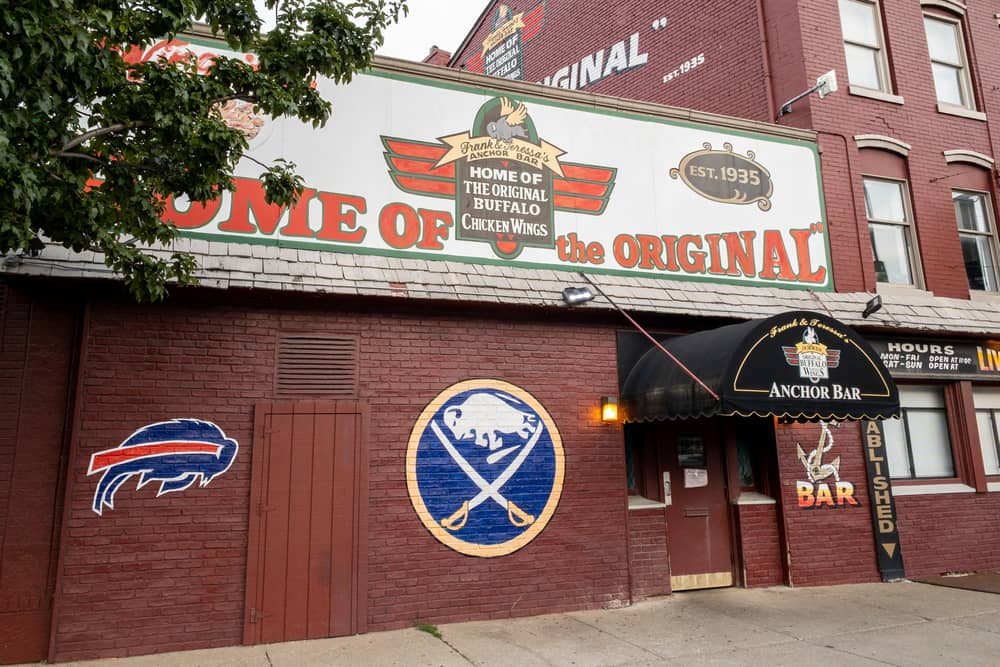
As a kid in the mid 80’s we visited the Anchor Bar in Buffalo, NY. I remember being told the story of the owners wife creating the wings for her kids. After school her kids would bring friends over to the bar and grill and she needed to feed the group, without going broke, so she came up with this recipe using the chicken wings. This part of the chicken wasn’t a popular thing to eat back then. They were inexpensive and easy to procure in bulk. Her creation became a hit and ‘Buffalo wings’ were born. Upon reading up for this story I came across another version of the story on the Anchor Bar web page.
On March 4th, 1964, Dominic Bellissimo was tending bar at the now famous Anchor Bar Restaurant in Buffalo, NY. Late that evening, a group of Dominic’s friends arrived at the bar with ravenous appetites. Dominic asked his mother, Teressa, to prepare something for his friends to eat.
She cooked chicken wings, a part of the chicken that usually went into the stock pot for soup. Teressa had deep fried the wings and flavored them with a secret sauce. The wings were an instant hit and it didn’t take long for people to flock to the bar to experience this new taste sensation. From that evening on, Buffalo Wings became a regular part of the menu at the Anchor Bar.
In the early 80’s in Buffalo, one could get a large beer, a basket of hot wings and a ticket to the Sabres game at Garcia’s for $20. Ahhh, the good old days.
The delicious phenomenon created in 1964 by Teressa Bellissimo quickly spread across the globe. Many have tried to duplicate Buffalo Wings but Teressa’s closely guarded secret recipe is what gives Frank & Teressa’s the opportunity to claim the “Best Wings in the World.” Congratulations and thank you Teressa and family.
Historical Fact: In 1799, George Washington’s distillery produced nearly 11,000 gallons of whiskey, making it one of the largest distilleries in America. This national desire to create led many other folks to working on perfecting their blends. Maker’s Mark, created by the Samuels family, became one of these new blends.
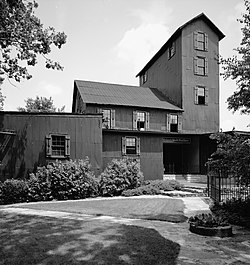
Maker’s Mark historical distillery.
Irish and Scottish immigrants came to America and began to brew in the US with local ingredients using the methods of their traditional ways.
During the planning phase of the Maker’s Mark recipe, seven potential mash bills were developed by the Samuels family. As there was no time to distill and age each one for tasting, a loaf of bread from each recipe was made and the one with no rye was judged the best tasting. The Samuels’ also received considerable help from Stitzel-Weller owner Pappy Van Winkle, whose distillery produced the wheat made Old Fitzgerald and W. L. Weller bourbons.
The civil war ended, but a Confederate band of rebels still lingered, headed by William Quantrill. 2 of the rebels in Quantrill’s renegade gang were the James brothers, Jesse and Frank. The James brothers were cousins of the Samuels family who started Marker’s Mark. On July 26, 1865 Frank James handed over his gun to Ora Samuels on the porch of the old Samuels distillery. Frank’s pistol is still there.
Maker’s Mark is one of a handful of American-made whiskies. It’s family history of distillers goes back 7 generations. It uses the Scottish spelling style “whisky” rather than the predominant American ‘whiskey’ spelling.
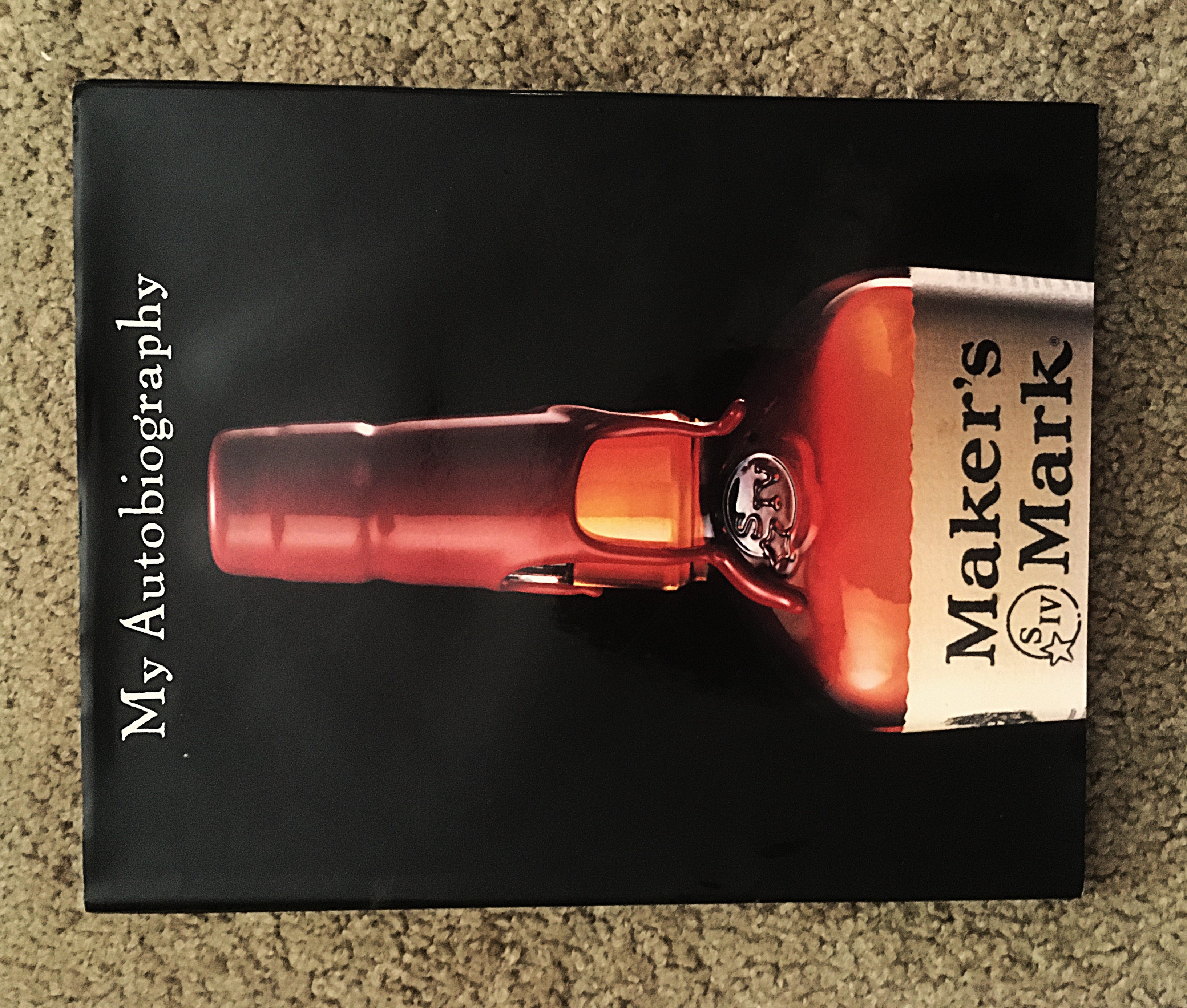
The cover of the Maker’s Mark autobiography is shown below, and is an interesting read.
A family history.
I became familiar with this brand when they donated a bunch of cases for product placement for the making of the film, ‘Climate For Killing’. One of the local girls in the production office and I would make Maker’s and Cokes after work in her room.
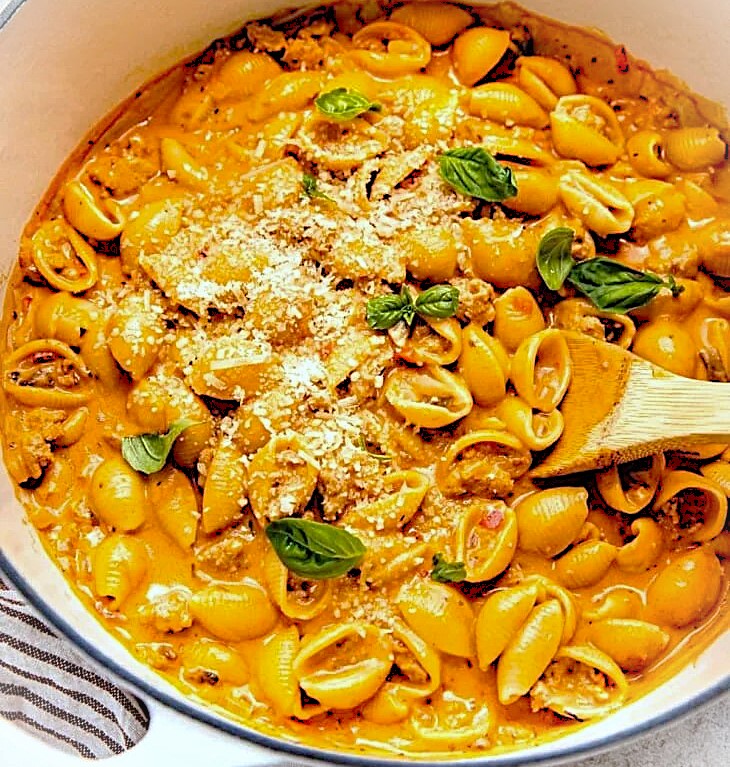
The other day the Dude of Food discovered he had extra ground turkey in the fridge and wondered what to make. A quick online search brought his eyes to a site where he witnessed this delicious looking photo for a ground turkey pasta recipe and decided to follow up on it. It turns out the alluring photo was a creation from a food blog titled Krolls Korner.
A big thanks goes out to site creator, registered dietitian, nutritionist and chef Tawnie Graham who shares this recipe with us so we can all learn to easily create this spectacular looking and delicious dish in our kitchens at home.
Before ya’ll get started you’ll need the following items.
INGREDIENTS:
 16 oz medium shell pasta
 1 lb ground turkey
 4 Tbsp olive oil
 4 cloves minced garlic
 1/2 large red bell pepper, diced small
 6 white mushrooms, sliced thin
 1/2 large diced white onion
 2 tsp salt
 1 tsp pepper
 1.5 tsp Italian seasoning
 3 Tbsp all purpose flour
 2.5 cups beef or chicken broth
 1 15oz can tomato sauce
 1 cup heavy cream
 2/3 cup freshly grated Parmesan cheese
Begin cooking the ground turkey until no longer pink. Add some salt & pepper and when the pink is gone, pull from heat, put in bowl and set aside. I usually cover my set aside foods as they wait their turn in the mix.
Next add oil and sauté garlic, red bell pepper, white mushrooms, white onion, salt, pepper and Italian seasoning. (about 5 minutes, stir occasionally)
Whisk in flour until mixed.
Add broth and tomato sauce. When it begins to simmer add cooked ground turkey to the mix. When heated add cooked pasta, heavy cream and parmesan cheese.
Stir and let thicken.
The choice of pasta shape is yours. Slowly add salt to desired taste. Remember you can always add more but it’s tricky to reduce. Some sharp white cheddar cheese might also be a nice addition. Other seasonings that could make a great addition include fennel seed, red pepper chili flakes, dried oregano, fresh basil or even a pinch of cayenne.
In cleaning up this article I’ll finish by saying, this dish was incredible. By following chef Tawnie’s directions, barring a couple minor tweeks of my own, it was easy to create this dish. If remembering correctly, I used beef broth and didn’t add any mushrooms or red bell pepper and it was still delicious. Unfortunately I forgot to take a photo of this beautiful pasta dish I created before it was eaten. Give this recipe a try and enjoy.
Thank you Tawnie G. It is a strange phenomenon but for some reason, the fact that you have food titles made the Dude of Food want to trust this recipe more.
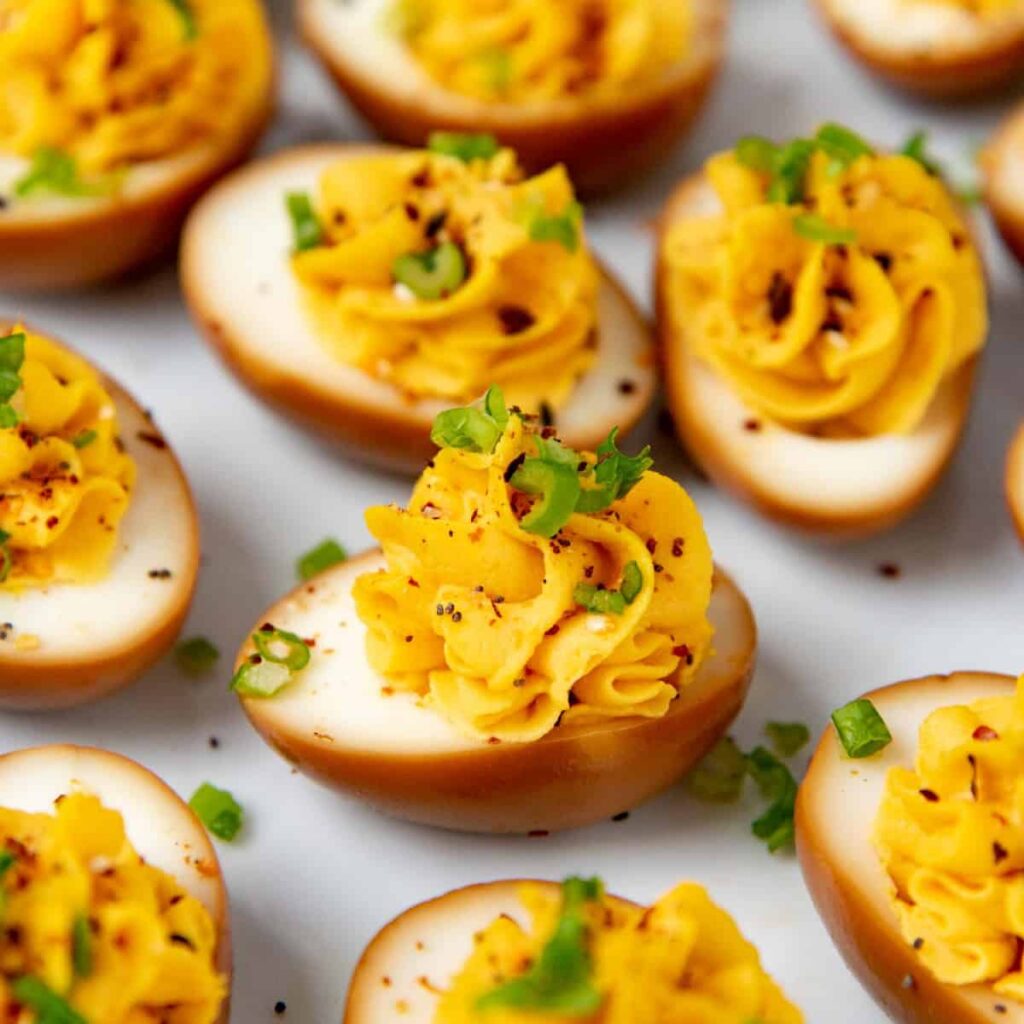
You may find it interesting that the ancient Romans actually began the deviled egg tradition. In ancient Rome eggs were boiled and slathered with various spicy sauces. The eggs were served as an appetizer and usually found at the homes of wealthy citizens showing a sign of status as they could afford the eggs and the cooks to prepare them. Wealthy Romans had a saying for starting a meal with eggs called “ab ova usque ad mala” meaning ‘from eggs to apples’. It meant the host could entertain with the best.
There is a reference to deviled eggs in a really old book titled ‘Satyricon’ where a wealthy Roman citizen throws a feast. The book states, “The meat of songbirds is marinated in peppered egg yolk and stuffed into the white part of boiled peahen eggs.”
In the 1200’s stuffed eggs began to appear in the south Andalusian regions of Spain. A cookbook from this era suggests grinding boiled egg yolks with cilantro, onion juice, pepper and coriander with a fermented fish sauce. 200 years later similar recipes were common across much of Europe.
The term ‘deviled’ first appears in 1786 Oxford English Dictionary used to describe dishes that included foods with very hot or spicy ingredients or foods that were boiled or fried. The original deviled eggs in the US were boiled and would be prepared spicy and the name stuck. It wasn’t until the late 1800’s that we started seeing deviled eggs that resemble the modern looking version.
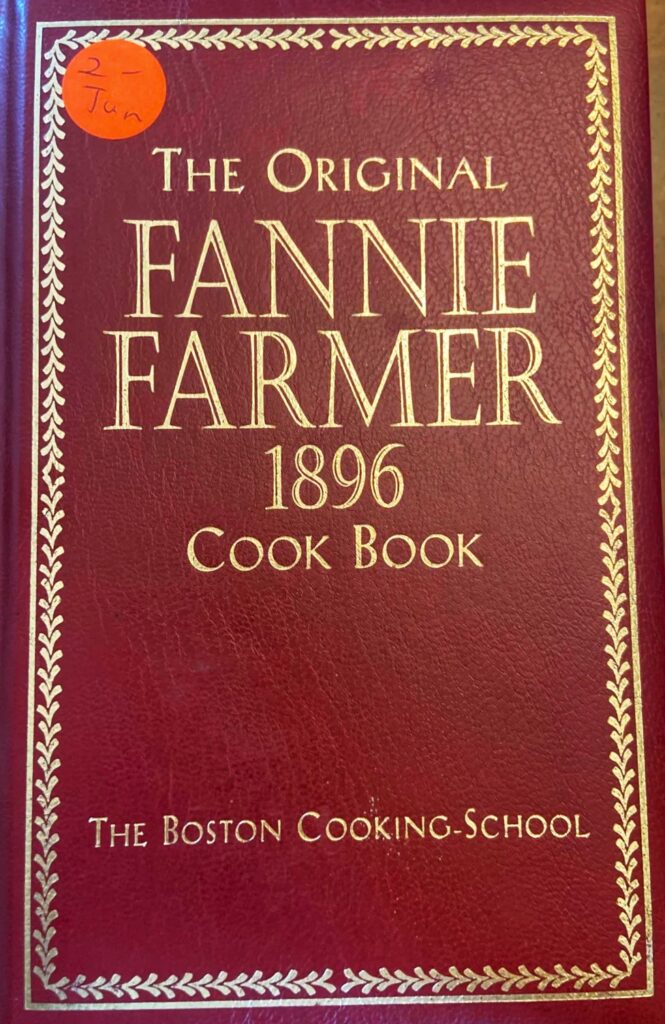
In 1896, the Fannie Farmer cookbook was used by The Boston Cooking School. It was the first to mention using mayonnaise as a way to bind crushed yolks together which eventually led to today’s classic recipe that calls for mayo, mustard and paprika.
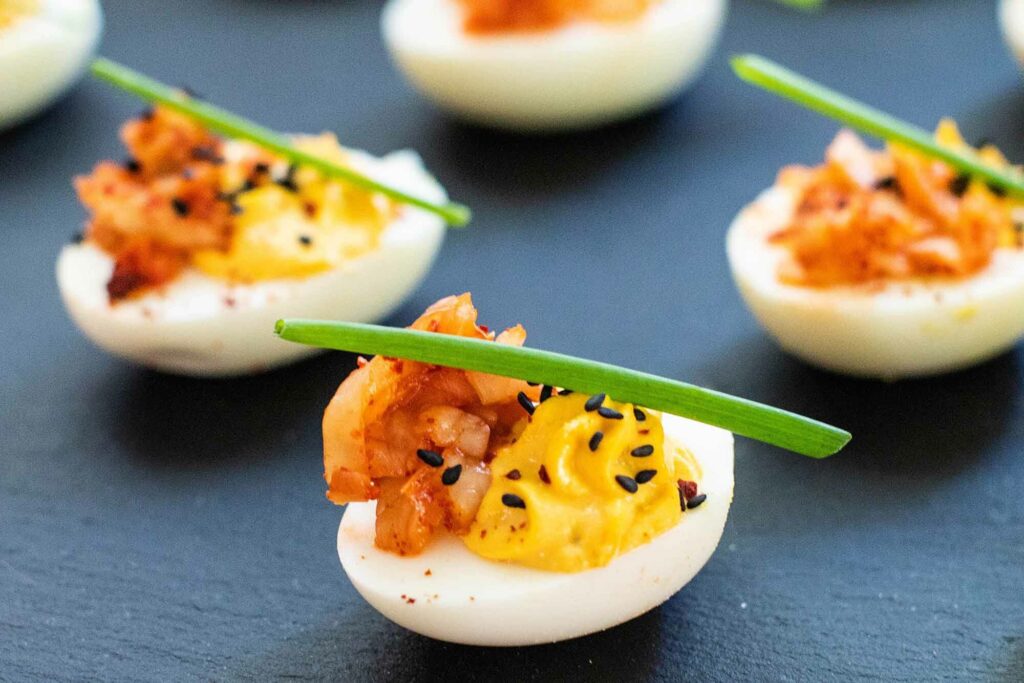
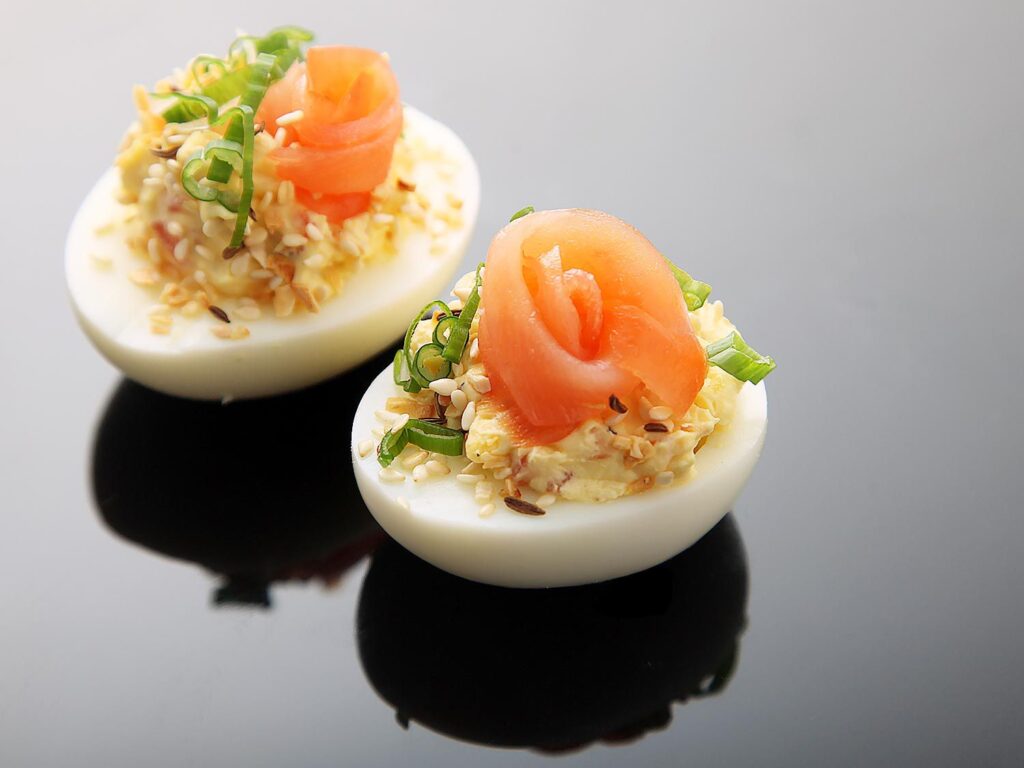
Looking for great variations? Consider things like bacon, Sriracha, Kimchi, crab meat, salmon or dill relish as additions that can perk up your deviled eggs flavor profile and aesthetics.
At home my ‘go to’ deviled egg recipe is something I call “simple eggs”. I boil a dozen eggs at a time and then put them back in the carton so there are always hard boiled eggs in the fridge. In the morning when I desire a quick ‘simple egg’ I peel one, cut it in two and wipe a little relish and mayo onto each half. Next I top it off with a small squirt of mustard and pop it in my mouth. Simple and easy. Sometimes I squish a couple eggs up with the same ingredients and smear it on top of a warmed English muffin which is always a delicious breakfast treat. I have even tried adding hummus to yolks with onion, celery, relish and mustard and a little mayo sprinkled with paprika or cumin. In 59 years of living, doctored or deviled eggs are still right up there with quality fresh ground coffee, giant micheladas, free tacos, fresh sushi, ripe fruits and warm tapioca pudding for me regarding incredible, edible satisfaction. As long as there are chickens the Dude of Food will continue to enjoy these stylish and delicious egg treats.
Lastly, I liked the following Creole Shrimp deviled egg video by AB. Check it out.
Have you ever heard of a Turkey Devonshire sandwich? Well I hadn’t until Christmas 2024 when I found myself looking for a recipe for Turkey ala King and discovered the Devonshire sandwich recipe. The photos looked good and hearty and the sauce reminded me kind of eggs benedict, which I love.
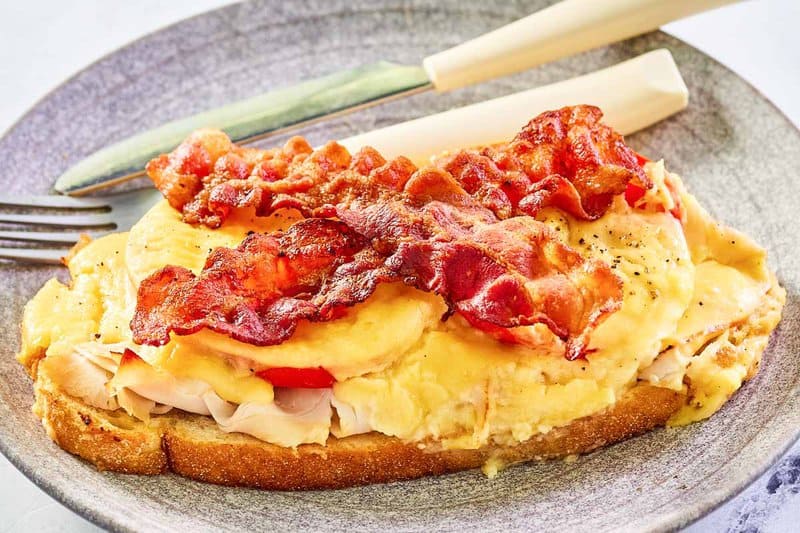
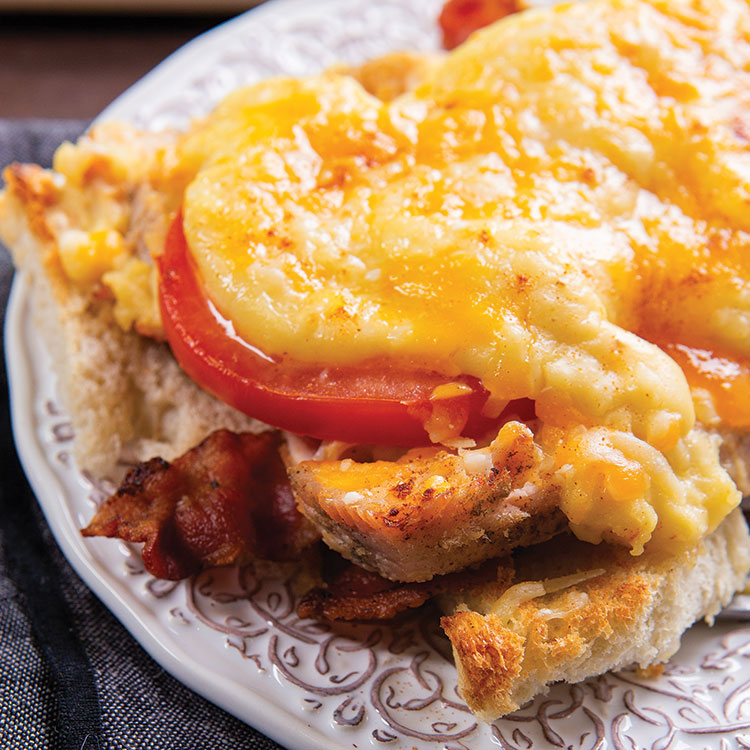
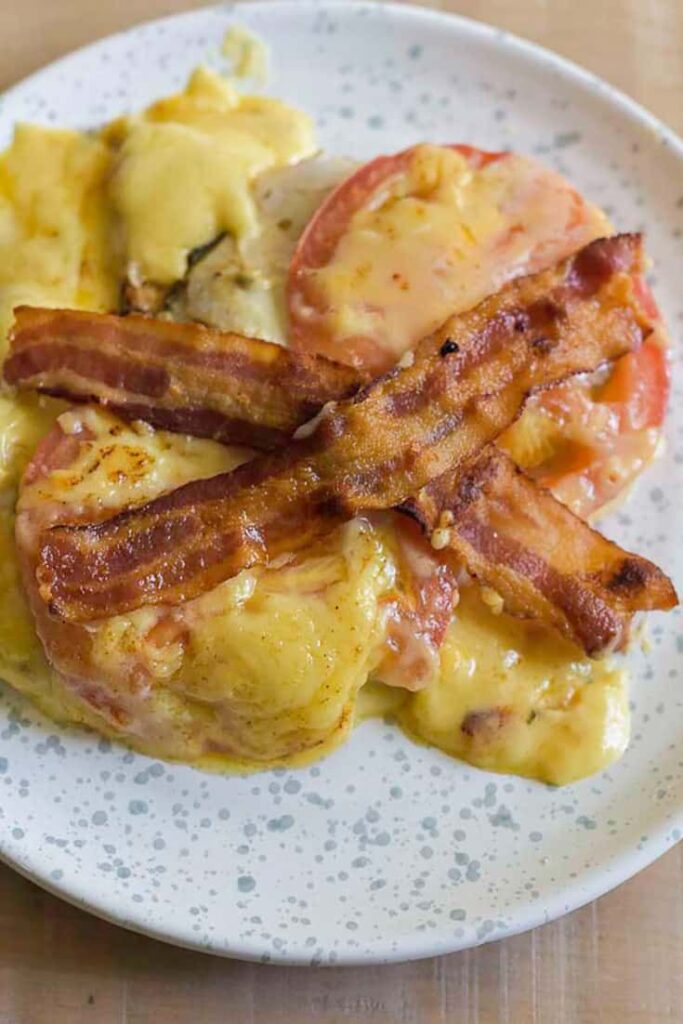
The photos I saw featured layers of freshly sliced turkey, bacon and tons of cheese sauce delicately layered over some toasted sourdough bread. Some of the photos had sliced tomatoes jammed in the cheese sauce. None had onion which I think I’m gonna add as a side to my west coast version along with adding a couple of thin slices of ham. The traditional version is excellent but you are welcome to try my version and let me know what you think.
I’m still thinking about a name for my version of this classic as I tweak this recipe. (The Venician, a Cheesy Bird Sandwich, Turkey Lava, Cheezy P, the Gobbler, the Boardwalk, etc.) It’s possible I may even create a version served in a roll or over macaroni or one with eggs and/or potato’s on the side.
The Turkey Devonshire sandwich originated in 1934 in Pittsburgh, Pennsylvania. It is typically served as a hot open-faced sandwich on toasted bread with hot turkey, bacon, tomatoes and a cheese sauce. The sandwich is similar to a Kentucky Hot Brown, which it will be compared with in a future post.
The Devonshire is credited as being created by Frank Blandi (1907-1999), a Sicilian American, who first served them at the Stratford Club located between Pittsburgh’s Bloomfield and Shadyside neighborhoods. The sandwich was named after Devonshire Street, located one block away. This sandwich was the local ‘go to’ in the 1960s and still remains a favorite 65 years later.
Some say this sandwich design was borrowed by the 21 Club’s popular chicken hash, which was a dish of diced chicken covered in Mornay sauce and then browned which leans towards the Kentucky Hot Brown sandwich.
Frank Blandi’s Original Devonshire Sandwich Recipe
Cheesy Cream Sauce
3/4 stick butter, melted
1 cup flour
1/4 lb cheddar cheese, grated
1 pint chicken broth
1 pint hot milk
1 tsp salt
a splash of Sauv Blanc      (optional)
Melt butter in deep pan and add flour, stirring constantly. Add chicken broth and then hot milk, stirring all the while. Add cheese and salt. Bring to boil, then cook slowly for 20 minutes, still stirring. Cool to lukewarm. Beat with wire whip until smooth before using. This makes enough sauce for 6 Devonshire sandwiches.
For each sandwich:
1 slice toast, crusts trimmed off
2 slices crisp bacon
4 thin slices cooked turkey breast
2 thin ham slices         (optional)
thick tomato slice        (optional)
thin white onion slice    (optional)
sliced or shaved sharp cheddar
Cream Sauce
Melted butter
Parmesan cheese and paprika
Preheat oven to 450.
In an oven-proof casserole dish, place slices of toast and top with bacon slices. Add thin slices of cooked turkey breast. Cover completely with cream sauce. Sprinkle with a little melted butter, Parmesan cheese and paprika. Bake 10 to 15 minutes or until golden brown.
An alternate version could be prepared as follows;
Layer slices of white toast at the bottom of a casserole pan. Layer Turkey, ham and/or crab meat. Cover that with tomato, bacon crumbles, diced white onion and slices of cheddar cheese and stick it in the broiler to melt together.
Have fun with this versatile and creative comfort food dish and don’t be afraid to experiment and make it your own creative feast.
Bon appetit.
________________________________
Directions;
Fry bacon and remove from pan.
Drain.
Set aside.
Melt ¾ stick butter and add flour while stirring.
Add chicken broth.
Stir.
Add hot milk.
Stir.
Add cheese and salt.
Bring to boil.
Reduce heat.
Cook slowly for 20 minutes, stirring constantly.
Cool to lukewarm.
Whip cheese sauce with wire beater until smooth.
Place 1 slice toast in a casserole dish and top with sliced bacon.
Add slices turkey.
Cover with the cheese sauce.
Sprinkle with a melted butter, Parmesan cheese and paprika.
Bake 10-15 minutes until golden brown
Most writers who tried it with tomatoes recommended the addition, so I included them. I also took the liberty of adding sliced ham and onion and could possibly considering adding a few capers to this mix of flavors.
It wouldn’t be weird to prepare this dish on toasted English muffins or oven pop up rolls either.
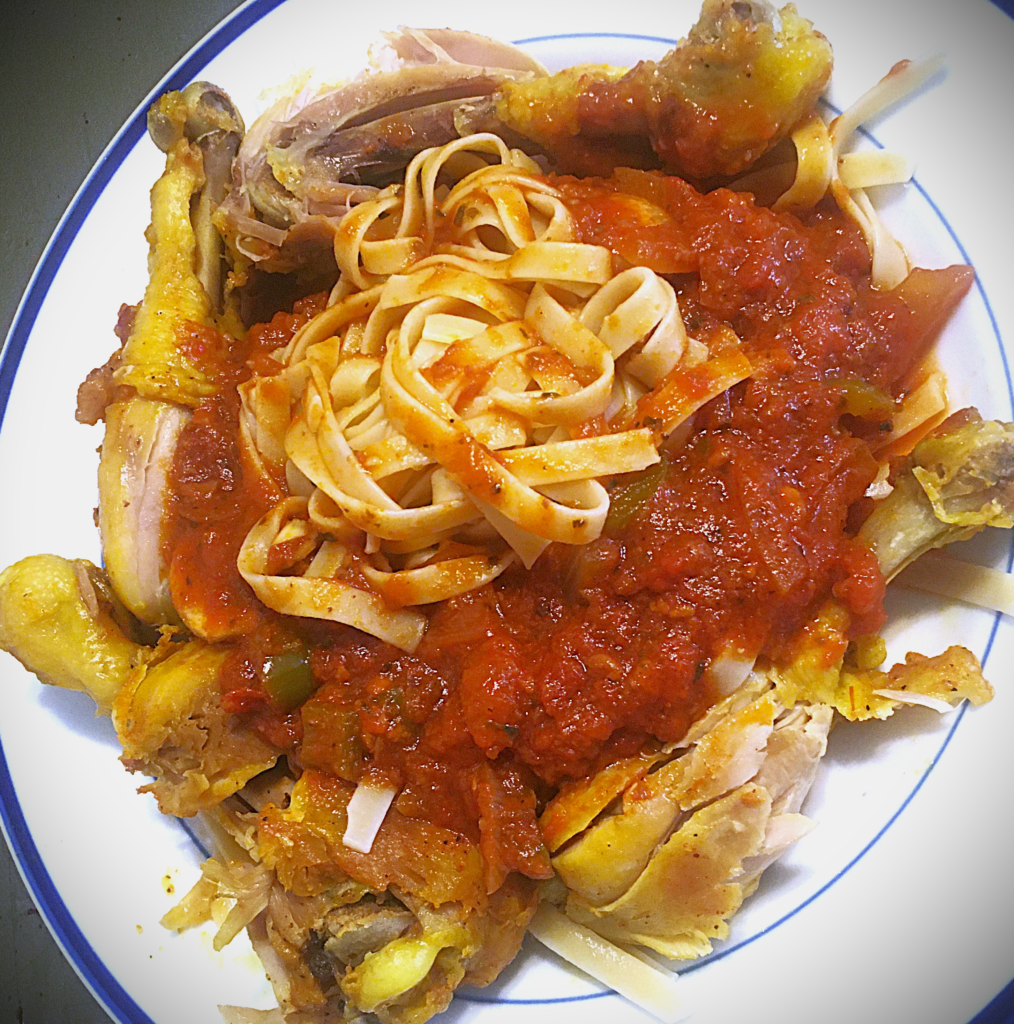
The old adage about ‘nice guys finish last’ comes to us from the world of baseball by Brooklyn Dodgers manager Leo Durocher in 1946. In the cooking world it’s a bit different as a nice dish can finish first and be very popular among restaurant eaters. Having just returned from 2 weeks of hell in the Pacific Northwest I was craving a nice, easy home cooked meal and decided a chicken cacciatore style plate is what I’d like to eat to bring some joy back into my life.
Many things in life start with desire and once I set my taste buds on this plate my mind focused and this dish was easy to pull together.
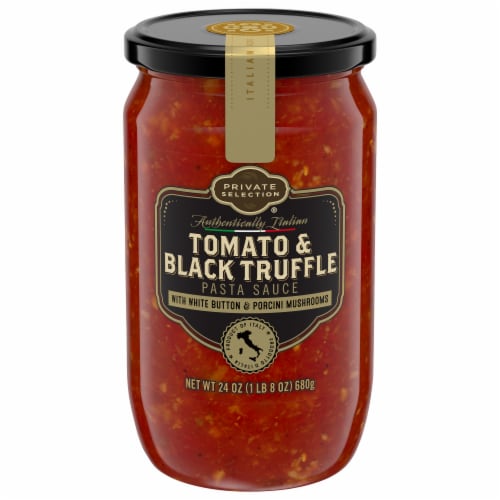
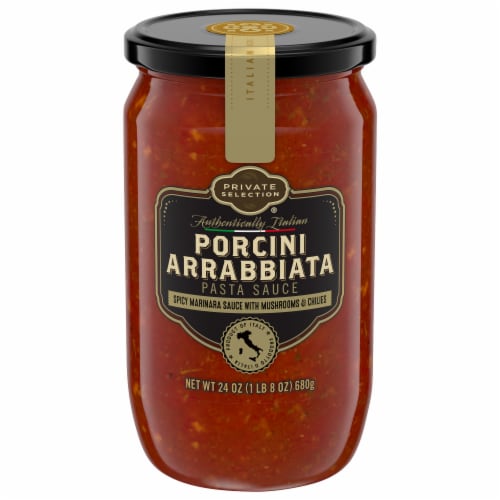
Sauce is a big part of a pasta dish and making a good one from scratch usually takes the better part of a day or a second day to have it set right. The Dude of Food believes that sauce is always better the second day. I decided to cut corners and use Private Selection sauce made in Italy and distributed by Kroger of Cincinnati. I actually used 2 jars of sauce. The first jar was Porcini Arrabbiata and the second jar was Tomato and Black Truffle.
Below is the simple ingredient list and procedure for preparation.
Kroger Private Reserve sauce – 2 jars 1 Porcini Arrabbiata and 1 Tomato Black Truffle 1 chopped yellow onion 6 chopped garlic cloves 1 tray of rubbed chicken: 8 legs salt pepper
Mushrooms, grated carrots, celery, olives or any other favorites are ingredients that could also be added to this dish.
Start by chopping up the onion and garlic. Put a small amount of wine in a pan and warm. Once the wine has warmed, the alcohol will lift. Then add a little olive oil into the pan with a touch of butter, salt and the onions. Simmer the onions on low to medium heat. When the onions begin to clear up add the garlic and let them warm up together. Once the garlic has had a chance to expand and release its flavor it’s time to add the 2 jars of sauce. Stir, cover and let simmer on a low heat, stirring occasionally.
As the sauce does its magic it is time to start heating the rubbed chicken. Get another pan and add a small amount of olive oil and a touch of water and heat. As the pan heats add the 8 rubbed chicken legs, lightly salt and cover. Pan fry the chicken on stove top over low to medium heat. You are trying to heat the chicken thoroughly but not overcook it or dry out. Low and slow is the way to go.
Time to check the sauce and stir.
Next add a pot of water to the stove top to boil the pasta and begin to heat. Salt can be added to this water if you salt your pasta water. Some folks do. Boil enough water for 1lb of fettuccine or your favorite noodle shape.
Now you have all the moving parts working and it’s time to clean up as you monitor and stir the heating pans.
The noodles will be ready first. Drain the pasta and add a little of the starch water to the sauce. Cover the drained noodles and let sit.
Once the sauce has simmered enough to be considered ready and the chicken is cooked enough to eat turn all of the heat off and prepare to plate these items.
Start by adding a lump of pasta in plate center. Surround pasta lump with chicken legs. Scoop sauce over noodles with plenty for the chicken too. Sprinkle the top with grated Parmesan cheese and serve.
It’s not very often that you see eggplant on your breakfast plate but the other day that is exactly what happened. I had some eggplant and potatoes left over from the night before. I cooked up some bacon, wiped the grease and heated the left over eggplant and potatoes in the same pan. Next, I fried up a couple of eggs and ending up making a hearty and delicious breakfast as seen above.
Using leftovers is a fun thing to throw in your breakfast recipe mix. In the past I have warmed up Chinese food from the night before and scrambled a couple of eggs into it. Another cool thing is scramble up some eggs and throw them on top of slices of warmed up pizza from the night before.
Eggs have been in the diets of humans for many centuries. Records from India show that by 3200 BC wild birds were captured and kept for their egg production. Roman soldiers would eat deviled eggs for snacks and a popular dessert was fried eggs with honey in Rome. Ancient Egyptians ate ostrich eggs.
Interestingly, Sigmund Freud’s nephew, Edward Bernays, is credited with the introduction of bacon and eggs into the American breakfast diet after consulting doctors and confirming that eating a big breakfast is better for people.
Lastly, I grew up with chickens in the yard so we always had fresh eggs with dark orange yolks for breakfast. My mom would fry an egg and put it on toast like the photo below from Charlotte’s Lively Kitchen.
Make sure you eat a decent breakfast. It doesn’t need to be extravagant, expensive or full of sugar. Chickens provide eggsactly what we need.
My job in the past allowed me to work with the Germany’s Next Top Model crew and Heidi Klum for 9 years. We spent about 3 months a year together and it was always interesting and fun. Heidi is super cool as was the German crew. It was a blessing to be part of a production team of friends. We had much fun working and partying together.
During that time my travels took me to Munich to visit my friends and it is always a joy to be with them in their city.
On my first trip to Munich I found myself attracted to the markets. Lidl, Rewe, Aldi and Edeka were my favorites. The lighting, the prices, the choices, the stern checkers, it all caught my eye. I’ve been back 5 times and always look forward to walking around the markets.
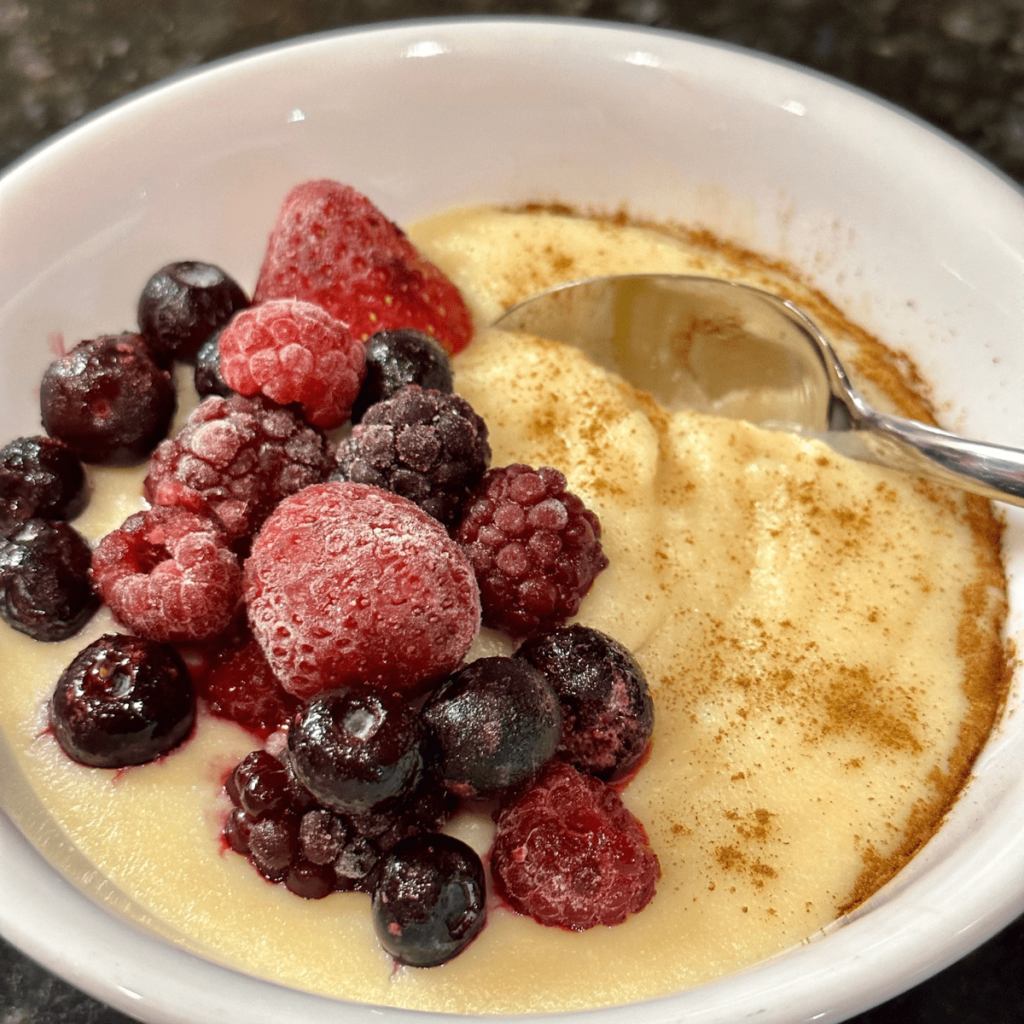
As I wandered around the market on that first trip looking at stuff on the shelves I ended up purchasing something I thought was like German breakfast grits called griesbrei. It was a product made by Dr. Oetker. I bought a few and made it for breakfast at home in Los Angeles, after decoding the instructions. I loved it.
When I told my Bavarian friends about how I loved griesbrei I always got the same odd reaction. They would get a weird look on their face and say to me, ‘so you like baby food?’
Well, I guess I do. Griesbrei is good. It’s sort of like grits but also reminds me of when I was a kid and my grandmother used to make me tapioca pudding for dessert and I always loved that too. She also would make homemade ice cream in a bucket with salt rocks and ice, but I digress.
Ingredients
3 ⅓ cups milk
½ cup soft wheat semolina
2 tbsp. sugar
1 tsp. vanilla extract
1 pinch of salt
1 large egg
1 tbsp. butter
Add milk and sugar to a sauce pan, mix well and bring to a light simmer. Gradually add the semolina while stirring. Bring to a light simmer, cover with a lid and remove from heat. Allow to sit for about 5 min. In the meantime, separate the egg. Beat the egg white with a pinch of salt until stiff peaks form. Add the egg yolk to the semolina pudding and mix well until fully incorporated. Stir in butter and vanilla extract. Fold in the egg white.
You can get your package of Dr. Oetker’s Griesbrei by clicking here.
This form of eating called Tapas can be traced back many moons to when bar owners used salty meat strips to cover drinks to keep the flies from swimming. The salty meats promoted thirst amongst the patrons and drink sales thrived. Soon the drink covers became other salty creative snacks and a bar culture of food was born. Spain gets most of the credit for this type of nourishment as many of the ingredients used in creating these food gems are found abundantly in their region.
This salty sales theory is why in the 70’s and early 80’s many bar owners in the US offered free peanuts to bar patrons. Peanuts were cheap and salty and the President (Jimmy Carter) was a peanut farmer. Jimmy’s brother Billy was a famous beer drinker. See how these things go together!? The cool thing was back then that many places just let you throw the empty peanut shells on the floor like at a hockey game.
The Dude of Food was really impressed with the tapas in Donostia/San Sabastian. While visiting this beautiful Basque city many great items were discovered. I stumbled upon a place named Bar Desy that invited me to try tons of great foods including an extensive tapas menu. I went back to Bar Desy a bunch, sometimes 3 times a day, for the next week. The staff was really great and I even met the owners father.
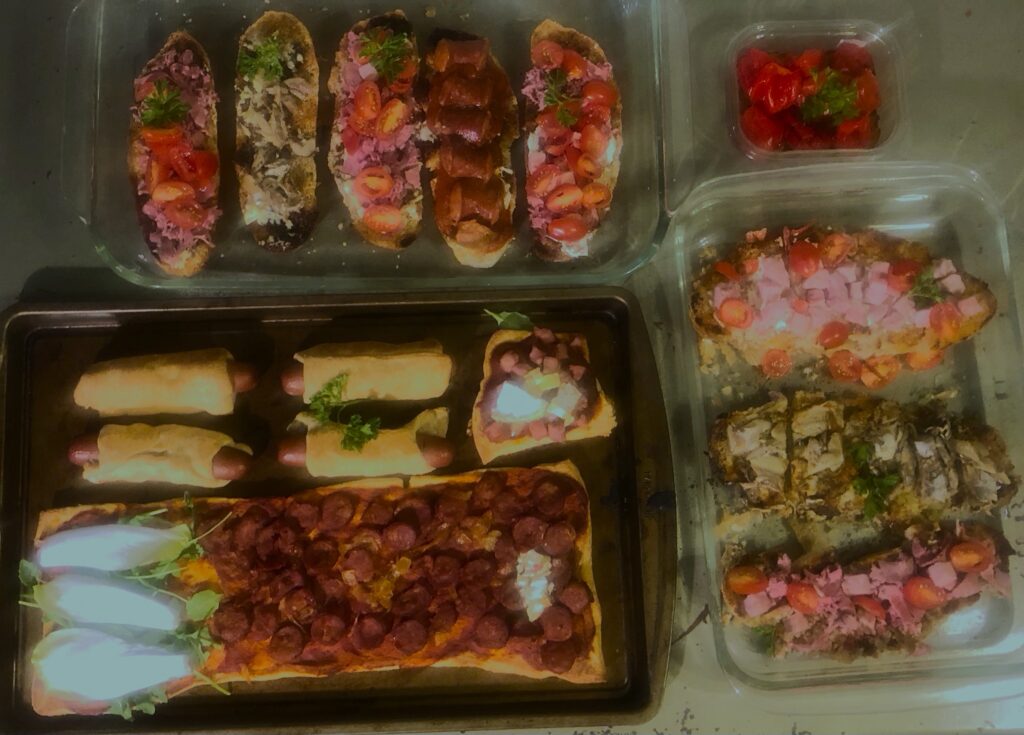
The top photo is one I took after I created a few tapas for my Brazilian girlfriend to enjoy while listening to some Samba and sipping on wine. We would look deep into each others eyes and share moments that made the world outside go quiet. Love was in the air. I digress.
Anyways as stated, the Dude of Food created the above pictured tapas. On the various breads are oil, cheese, meats, tomato sauce, veggies, sardines, salt and herbs. Tapas are fun to make, great to share and super enjoyable to eat.
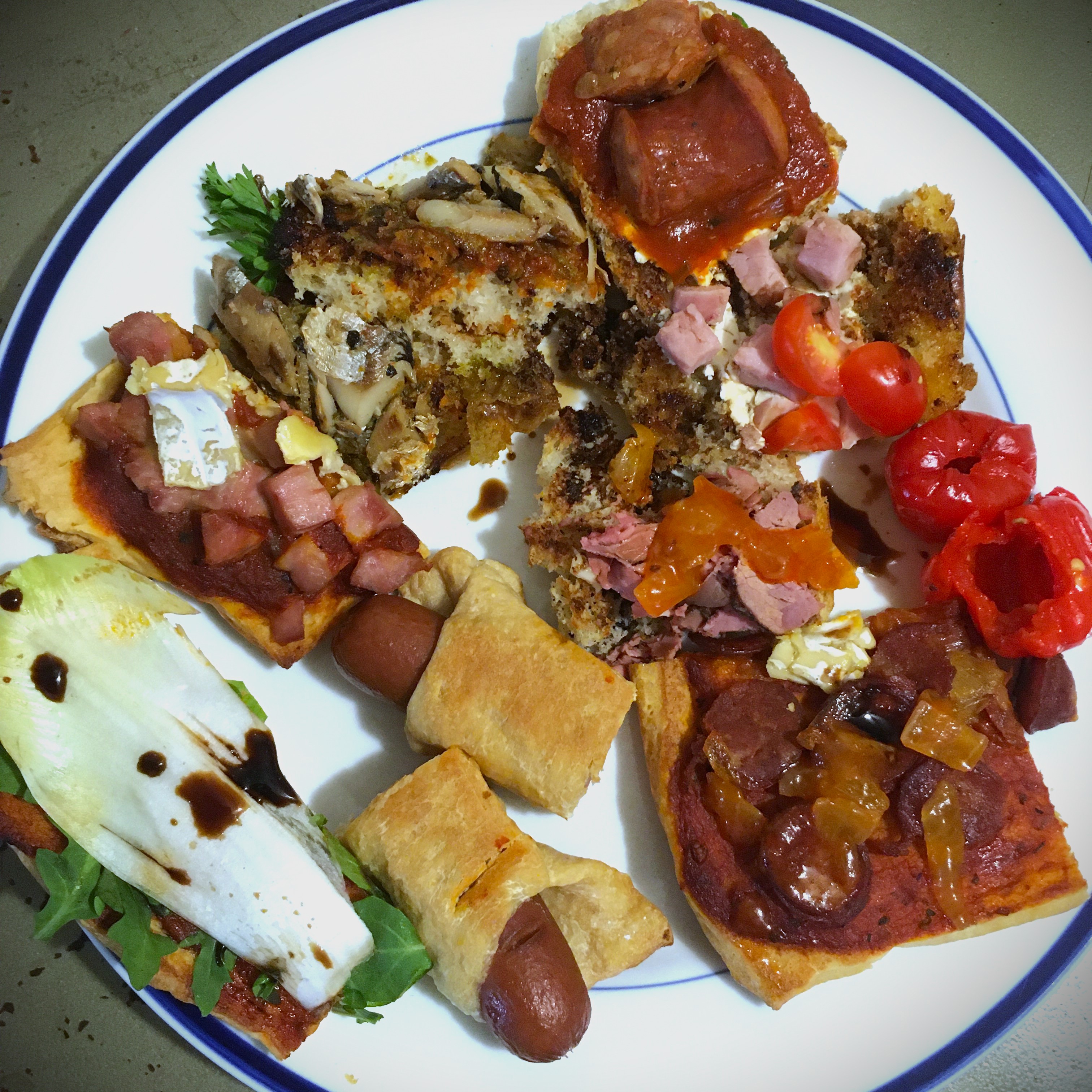
Below was my first pass by the home made tapas table.
Don’t be afraid to try this style of eating. Combine some of your favorite flavors and enjoy some tapas soon.